
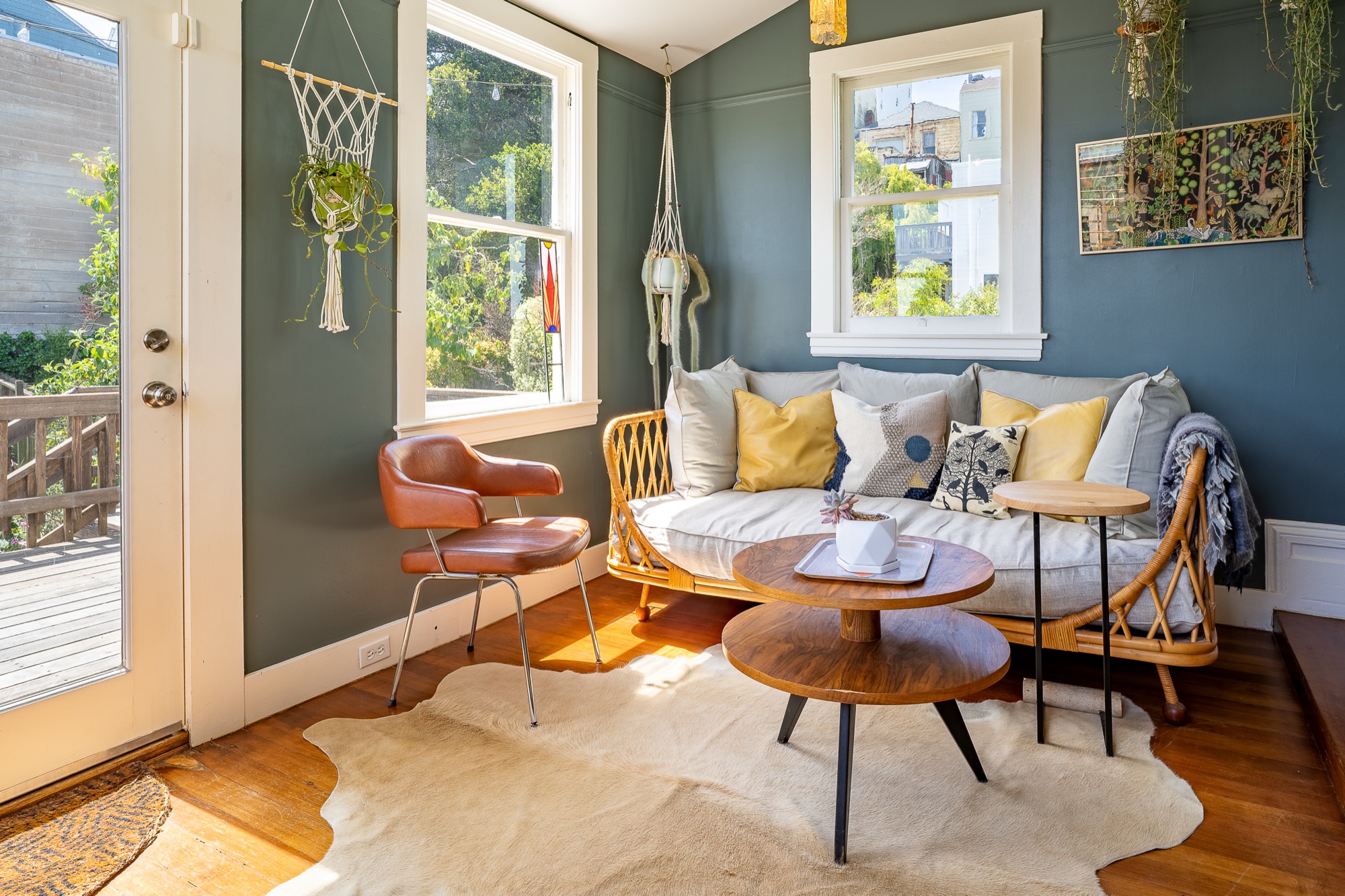
While I was shooting a rental property above Muir Beach, the owner asked me if I did any 'actual art photography, besides this real estate stuff.'
It's a fair question. From the outside, listing photography looks like commodity work: show up, shoot the rooms, leave, and then at a later time receive beautiful edits.
I told him that even commercial photography has artistry in it, and that the job is using that artistry through the standards of the genre to portray a space. I'm not sure most clients understand this and know what they're actually paying for.
If you rent out a property, you may have heard the advice: get professional photos. A host forum told you, or a friend did, or Airbnb itself. And you may still be skeptical, because the advice never comes with an explanation and you're paying real money for images you're not sure you'll need.
Other folks out there advise doing it yourself with an iPhone and a cheap wide-lens attachment. Both options are valid.
It's about deciding which best serves your space, and that depends on what that space offers.
I'm going to show you the real numbers with the marketing stripped away, and what professionals do to portray the actual value of your place. And I address an argument in this industry that has no conclusive answer, but represents a line I won't cross even when a client offers me additional money to cross it.
Your Property Is the Best Case for Pro Photography
One of my clients is an interior designer who rents out her own Airbnb. Before she ever contacted me, she had the listing critiqued online, and the community's verdict was the same advice you've probably received: get professional photography. Her listing photos were iPhone shots, not well lit. She knew all of that and was still skeptical that professional images would help her.
Prior to this shoot, she described struggling with booking the home.
She ended up hiring me, and we did several shoots: the typical shots of the home, each room, and detail and medium shots that portrayed select features, a game cupboard, an office area, amenities in a stylish cabinet with teas and coffee options; a twilight session highlighting the backyard, twinkle lights strung about, patio and seating area; and lifestyle content—she set out cheese spreads and board games while we worked, and we ruffled the sheets on the master bed so it looked lived in and cozy instead of staged.
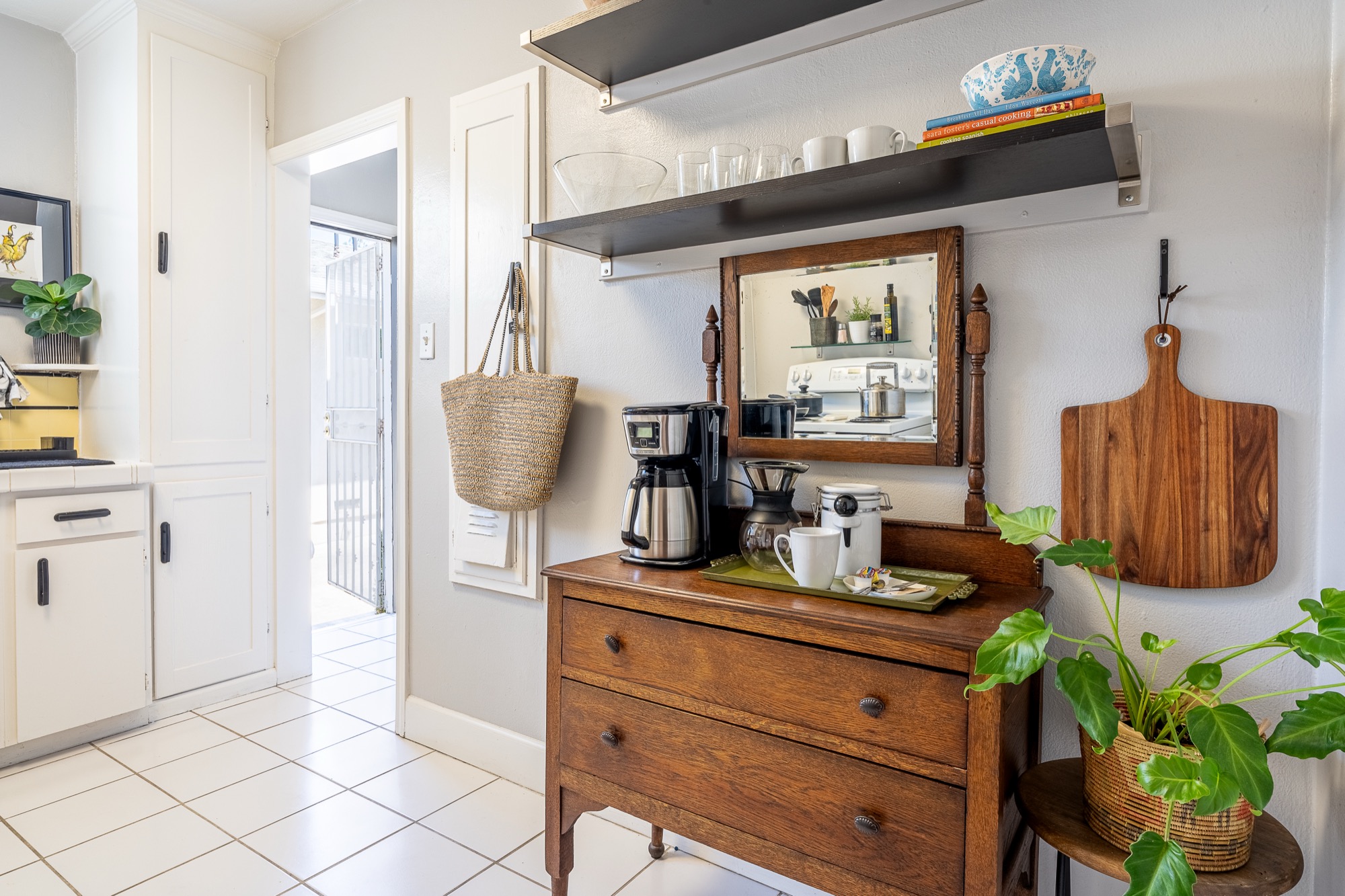
After she posted the edited photos, her bookings increased. Her words, from the review she left: "I can attribute more bookings because of the great images that Michael captured."
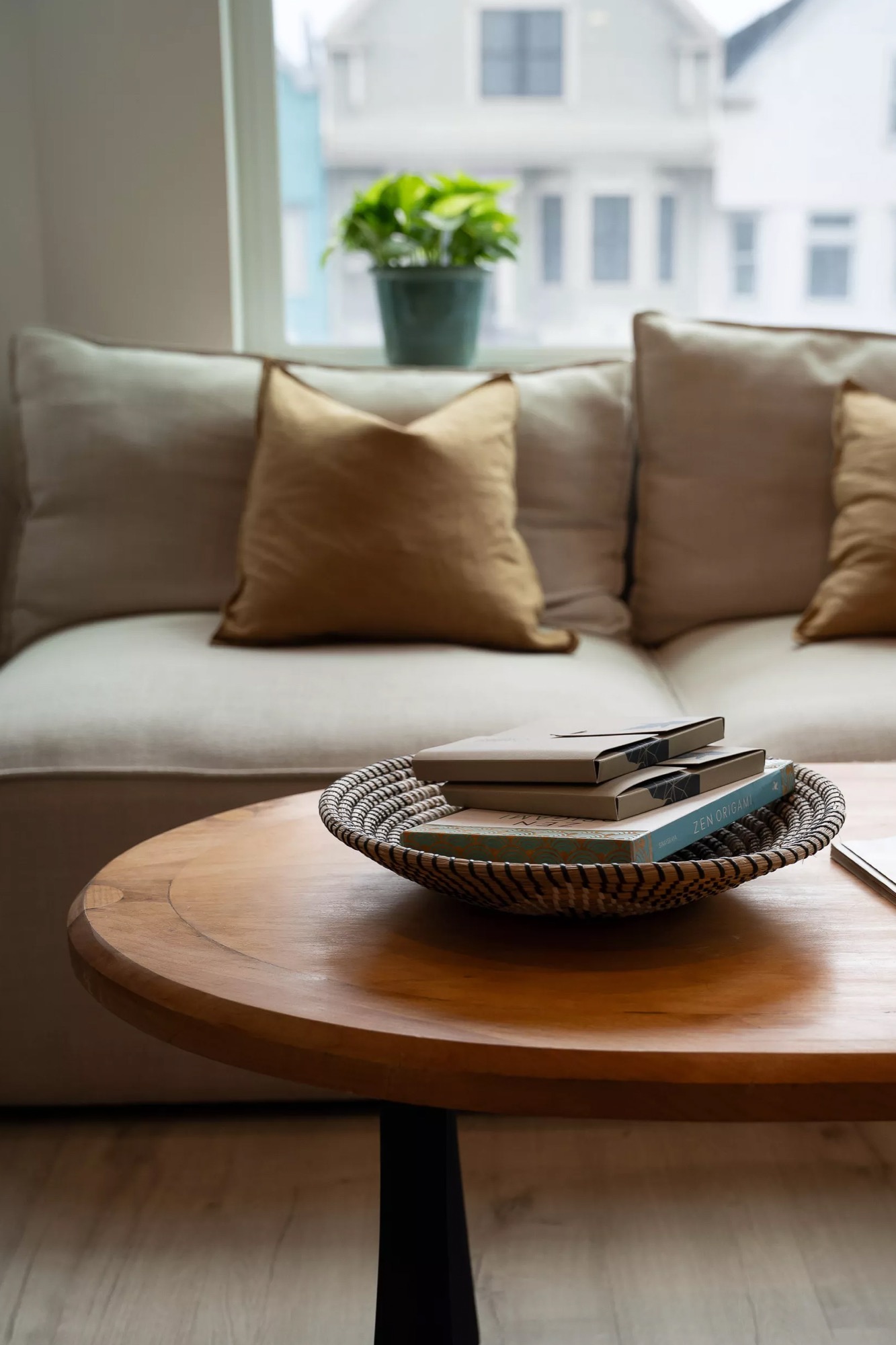
This host's property was the perfect case for pro photography: it was an entire house, 2 bedrooms, living room, dining room, full kitchen, laundry, front yard with parking spot, and backyard patio.
The client's original photos didn't thoroughly describe what this place had to offer. The images didn't show the full value.
The Decisions You Don't See
The Muir Beach property I mentioned earlier had ocean and coastline views. I wanted those views inside the shots, in focus and correctly exposed, so I bracketed the exposures and pulled the windows in afterward, a technique carried over from real estate: the window scene was not blown out and the interior was not overly dark. Both had good exposure, the way your eye sees them and the camera alone doesn't.
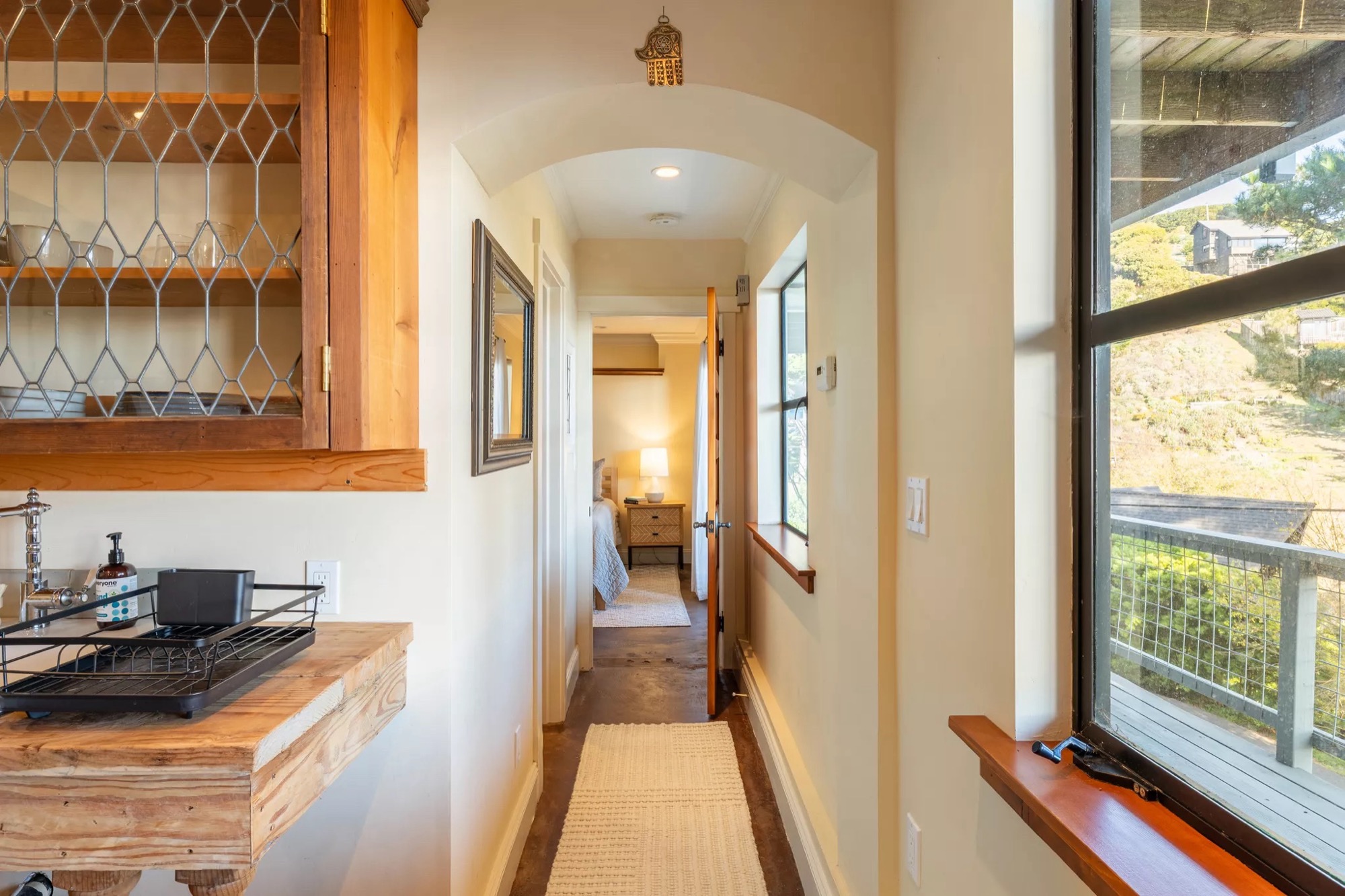
Owners see the work in the final edit but don't always know that it was preparation, editing, technique and experience that produced an image that looks like it does when you're standing in the space.
The place itself was small, with a comforting, luxurious bohemian character.
Small square footage changes the assignment. I still shot the standard coverage every listing needs, the corner-to-corner wides included. Then I went after the character in vignettes. The stove. The way the sink was styled. A long shot at 70mm so the layers of the living room compressed into the wood-burning stove, and the coziness of an oceanside cliff rental became something you could see in the frame.
For a listing, a vignette is a promise. A towel folded and draped over the bathtub in a stylish way says luxury, care, thoughtfulness.
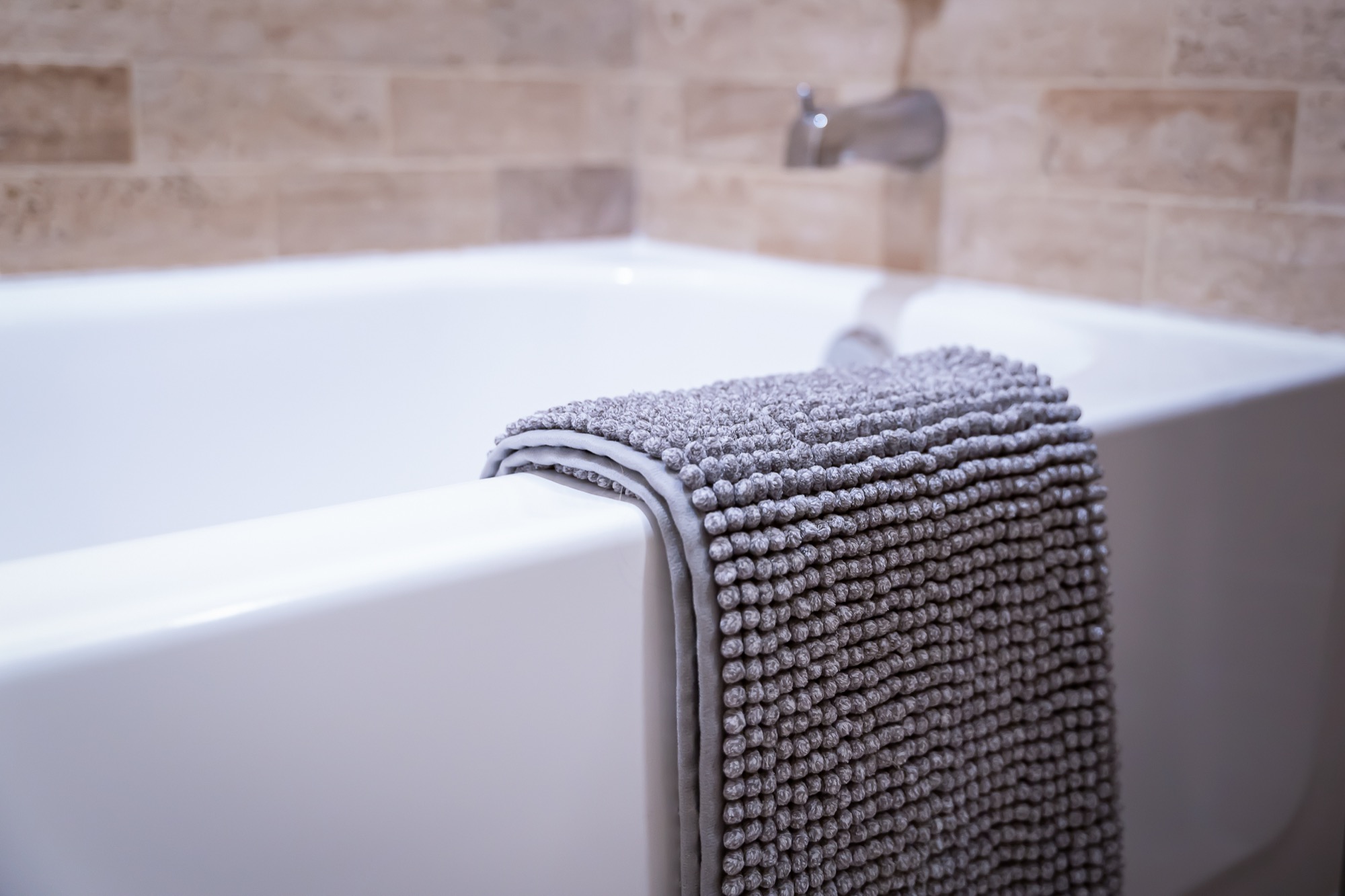
When I'm standing in a space, I look for those promises, and I pay attention to how I feel in that space. The job is portraying that feeling with the lighting, the camera, the composition, in a way that stays true to the place and meets the platform's standards. How you get there requires artistry and creative problem-solving: all the decisions that make a final image what it is.
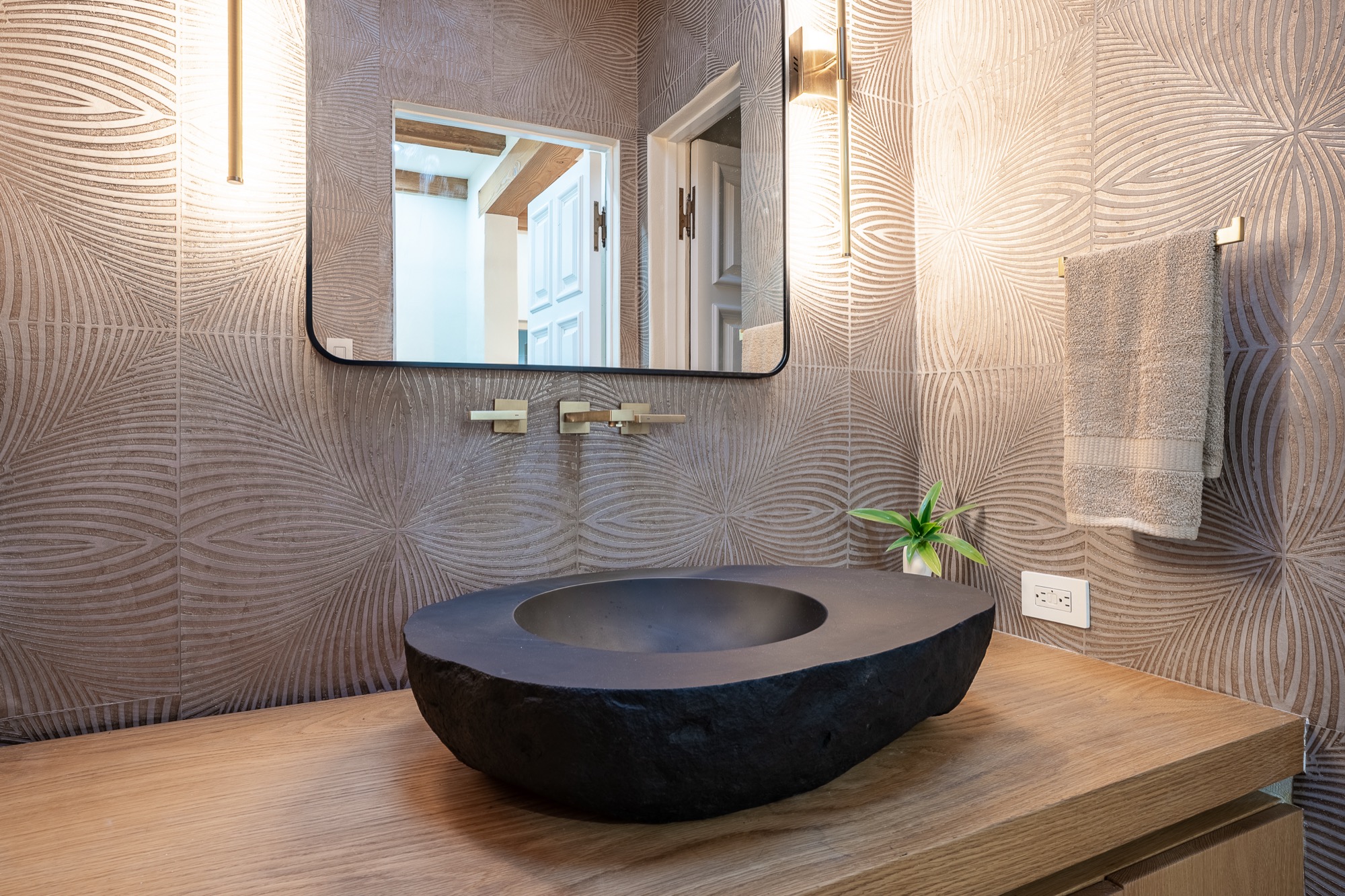
Run These Numbers on Your Own Listing
The evidence says professional photography performs better than amateur, across real estate and hospitality platforms. The large hotel companies require it—brand-approved photographer programs, enforced standards.
Airbnb reports that hosts who used its professional photography program earned 21% more than hosts who didn't. But that's the platform marketing its own service, and hosts who buy photography tend to be the hosts who do everything else right too. Treat 21% as a ceiling, not a promise.
A better number comes from a 2022 study in Management Science by Zhang, Lee, Singh, and Srinivasan that followed 7,423 properties for 16 months and isolated the photography itself: professionally photographed listings ran 8.98% higher occupancy. Both numbers point the same direction; neither knows your listing and the value of your property. Your nightly rate, your calendar, and your reviews decide what a booking lift is worth to you.
Here's a rough illustration, made up for example's sake with market numbers. A typical San Francisco listing runs about $185 a night, and AirROI's market data (pulled August 2026) puts the average San Francisco host's earnings around $35,000 a year. Apply Airbnb's own 21% and the best-case lift comes out near $7,300 a year. Apply the 8.98% I trust more and the realistic case is about $3,100—that number measures occupancy, so it assumes your nightly rate holds. Best case and realistic case: that's your range. So what is your nightly rate? How much do you make annually from your Airbnb or rental?
Run the numbers on your own situation and see if the lift, even cut in half or reduced to a quarter, more than covers the pro photography fee, say $200-$450, in the first year.
Run the numbers on your listing
Best case is Airbnb's own 21% program figure — a ceiling, not a promise. Realistic case is the 8.98% occupancy lift from the 2022 Management Science study of 7,423 properties. Both applied to the earnings you entered.
A guest is weighing price, location, and reviews; the photos are the "what am I getting" side of that ratio. If the space reads beautiful at your price, they see a deal. The photos showcase your half of the bargain more than the description and amenities list.
Which means the wrong images cost you money in both directions. Photos that undersell the space lose bookings you never hear about and can't measure. Photos that oversell bleed money later, in the form of refunds and poor reviews.
Whether the math works for a pro photography session or not, how your property is portrayed is its own question—and if you decide to go with an iPhone, I have some advice: shooting wide might actually hurt the listing more than help it.
Wide Versus Realistic, and Where the Line Gets Drawn
Almost all the advice pushes for wide. Photography guides tell hosts that a wide lens makes rooms look larger. Clients even ask for wides.
But guests push back from the other side. One guest on Reddit, after a stay: "Pictures with filters and possibly a wide lens showed a basic Airbnb much bigger that [sic] it really is... This is the first time I feel I want to complain and leave a bad review because of the stark difference."
Hosts worry about this too: rooms that look bigger than they are, and the disappointment landing in your reviews. The photos are a promise that the actual space has to live up to, or people feel cheated.
Sometimes it goes past the review: Airbnb's refund policy treats a listing that's significantly different than advertised as grounds for a claim within 72 hours of discovering it. Oversell the space and the photo can cost you the booking itself, meaning someone can stay and get some or all of their money back.
Airbnb's published photography guidance: shoot straight ahead, from a neutral position, "to give guests a realistic view of your place." There's no official rule against wide lenses. The warnings live in host guides, and the choice is a stylistic one.
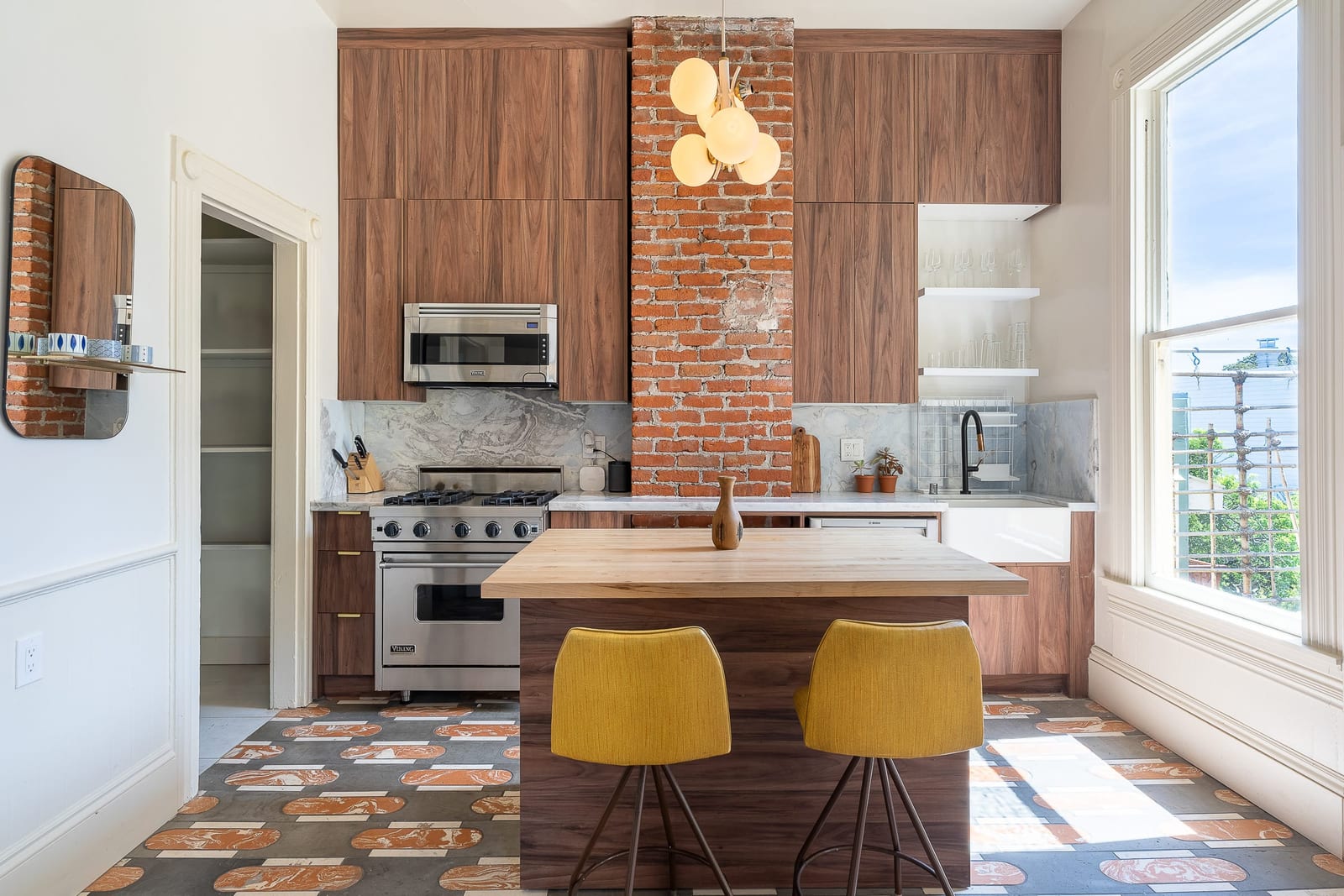
Hosts themselves are split on it. Some treat wide-angle as standard practice and swear by it. One longtime host skips professional photos entirely: "I'd prefer guest be pleasantly surprised rather than disappointed." And one veteran contributor on Airbnb's own forum argues that professional photography is exactly what's making listings look like something they aren't—that the rise in pro photos brought a rise in accuracy complaints.
Here is my take: the widest I go is 20mm. A lot of real estate photography uses the ultrawide 14mm or 16mm focal lengths and corrects the distortion in software, and I don't like what that does to a room. Everything is in the frame at once, instead of a specific composition that draws the eye to the uniqueness of that room and what it offers.
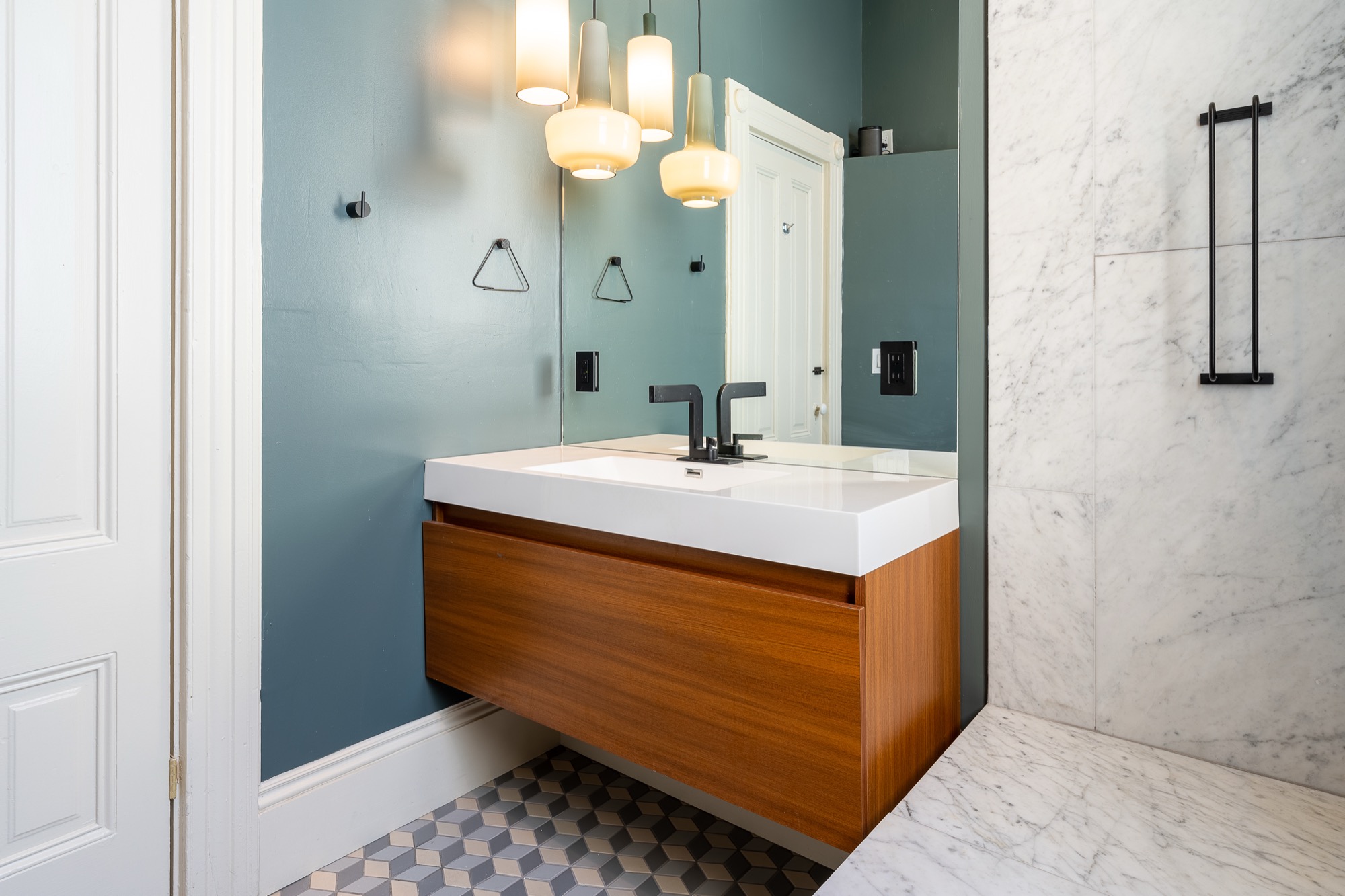
I've run into this a few times with clients. One time I was shooting a San Francisco Victorian: vaulted ceilings, uncharacteristically high, over small rooms. A wide lens would have told the truth about those ceilings but simultaneously lied about those rooms in the same frame.
I chose realistic rooms over capturing the ceilings.
After seeing the edits, the client wished I had gone wider, and said so. She offered to pay for a re-shoot, and I told her I would do it, but I argued against that much distortion because I didn't think it would serve her. She didn't book the re-shoot.
That one cost me an additional booking, but I stand by my choice.
Discuss the expectations about wide vs honest before the shoot. What I'm willing to shoot, what I think will serve the listing based on my research and experience, and whether that matches what you expect.
That's the first conversation I have with potential clients now.
When Your iPhone Is the Better Option
Some properties don't need professional photography. Not all of them need me.
If your calendar is already full, and you're happy with your rates and profit, there's nothing left for photos to do. If the problem is your price, your reviews, or your location, photos won't fix it. Photography translates what's there.
And for some listings, the return doesn't make sense. iPhone photos for a $60-a-night room in the back of a garage might work. Maybe you just want guests that need a quick bed and don't need much more.
The clearest case for hiring a professional: someone who knows how to portray what your space offers, and can make all the unseen decisions that realistically convey the sense of your space. If your space is straightforward, that's a solid case to just shoot with your phone.
Either way, staying true to the space is the first step to honoring your guests.