
While browsing the internet, you might conclude that car photography is dominated by the hero shot: the three-quarter view that opens every auction listing, the whole car in one frame, identifiable by its shape. Instagram’s specialty car photographers push the same conclusion: high-contrast, saturated-color shots that pop away from the background as if the car were just pinned onto the landscape.
Those are the shots everyone thinks of: the full-body hero shots, the sweet, intimate wide interiors. But those are small pieces of the gallery, only representing 12 to 16 images out of the 100-to-200-image sets that auction platforms require.
What actually fills a gallery are the details.
I think the details are more important than those hero shots. The heroes seduce the viewer to click, to dream, to imagine hands on the wheel. But it’s the detail shots that tell the story of the car and document how it was cared for and used. Details prove its condition.
And that evidence creates trust for bidders.
Boring Shots Are Always an Invitation to Do Better
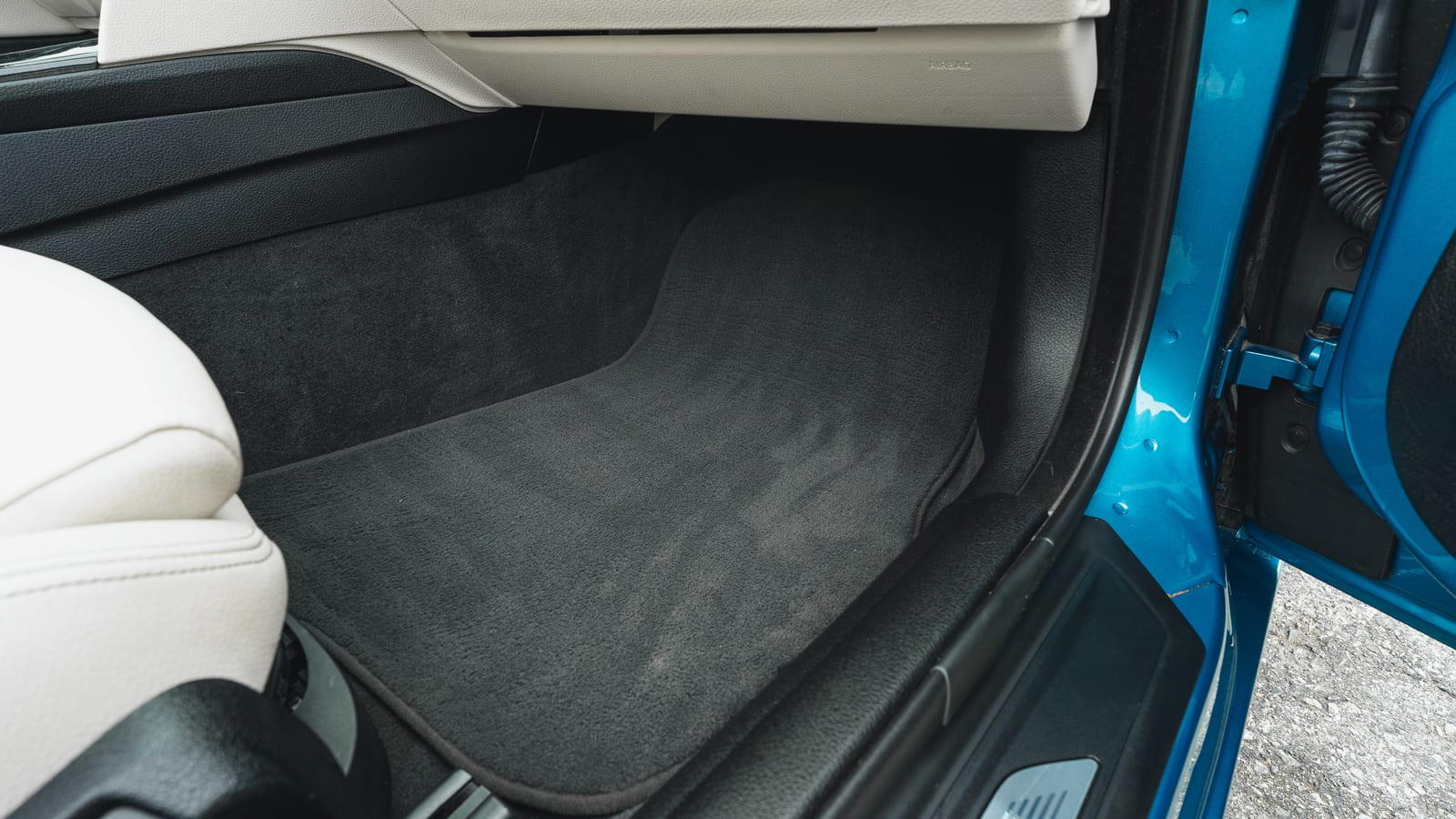
When I first started shooting cars, I thought those detail shots were mostly throw-away documentation. Mats? Are you kidding me? The entry sides of seats straight on? Boring...
I put my energy into perfecting the shots that had glam potential, the portfolio frames that would drop jaws and cause salivation. The selfish part was that I enjoyed taking those photos more than the details.
I think that was beginner’s naivete, because:
The Whole Story Is the Seats
During my first year shooting cars, an owner told me that a car’s whole story can be depicted on the entry sides of the driver and passenger seats, those seat lips where people drag their butts across to get into the car.
I started noticing this on every subsequent shoot. Some owners are careful getting in and out specifically to protect that lip. Some won’t wear jeans in the car, so nothing ever rubs it. No wear on an old car, paired with the mileage shot, tells you someone took care of those seats, or barely drove it.
Buyers who plan to drop a lot of money on specialty cars want to know that the car has a history of being cared for in the manner they plan to care for it. If previous owners cared so hard they didn’t wear jeans, it adds to the value.
Heavy wear tells you it got used hard, or the owner wasn’t careful, or it came to them that way. Toyota 4Runners from the nineties through about 2010 are famous for it: the vinyl side panel on the driver’s outer bolster, the piece nearest the door, cracks and tears under the weight of getting in and out, even when the seat face is leather. You can see whether that panel is original and worn through or already replaced.
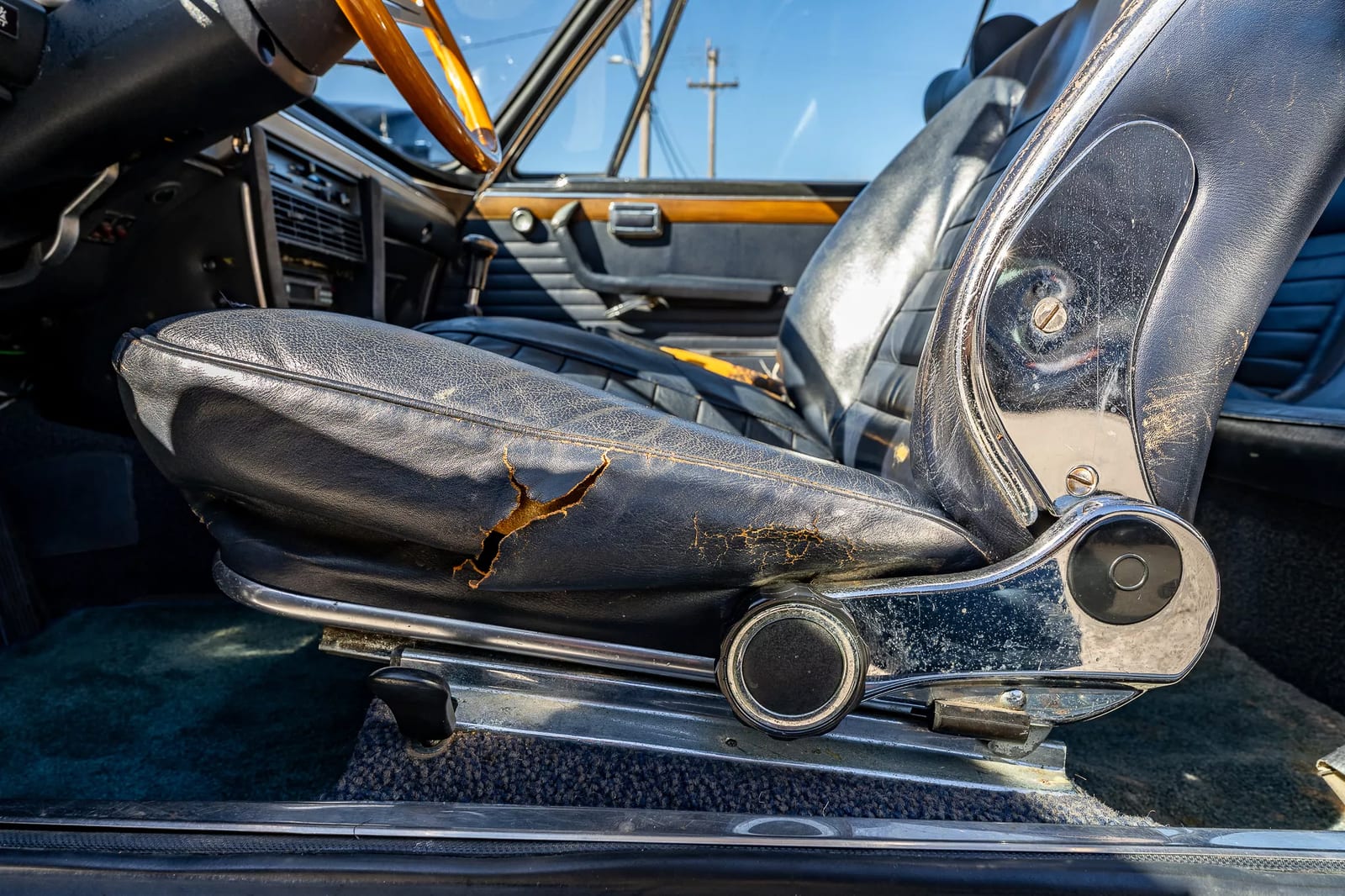
It made me start taking those shots more seriously than purely documenting.
Stitching tells the same story at a smaller scale. Fresh stitching on a nice sports car sits almost lifted off the seat, with its own texture. Worn stitching presses into the material until it stops standing out, even with a directional cross light shining over it. Photographing the stitching in different spots, you’ll notice whether it’s naturally recessed or inconsistent. I shoot those seams with a wide prime from two or three inches away: the lip, the backrest, the headrest, framed the same on every seat in the car.
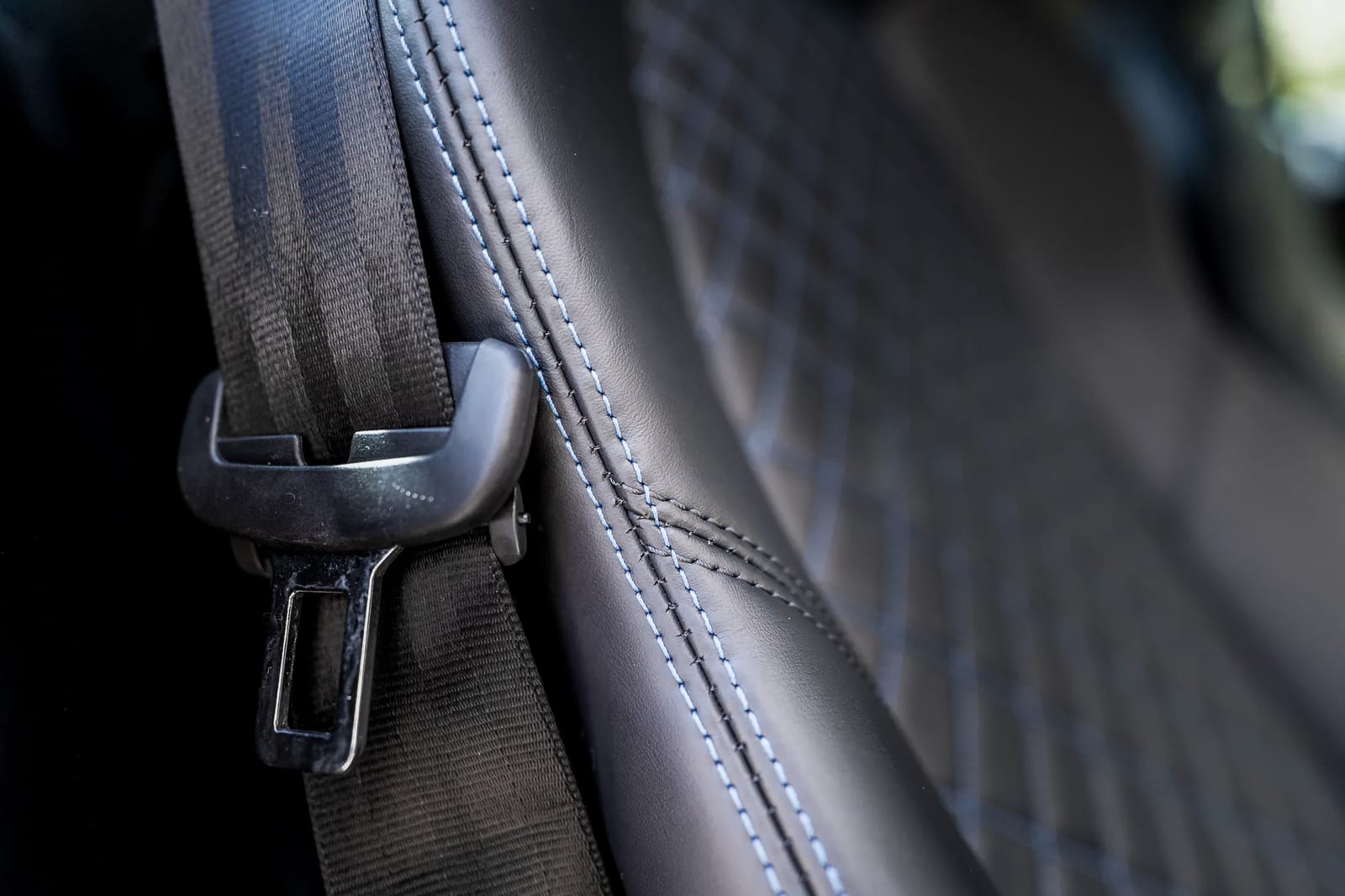
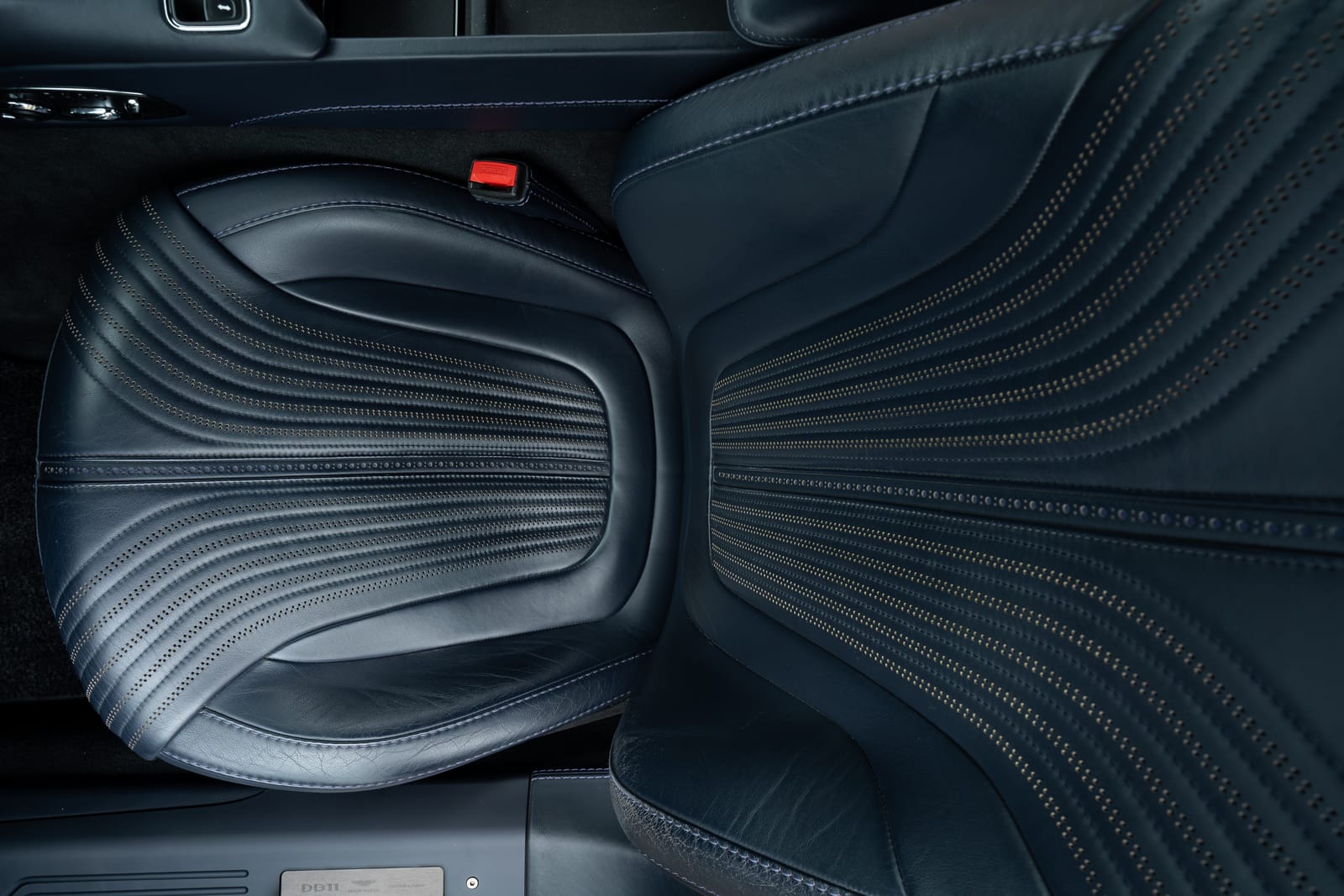
Detail vignettes make the set a visual history book of that car’s use.
To a buyer, if there are gaps in that history, an absent photo, then there is reason to distrust. Flaws are also important detail shots. Scratches, marks, features that need to be repaired. Flaws might lower the asking price, but they raise trust, and trust potentially gets a seller more bids. Sellers should always show them. You don’t need every minor rock scratch: shoot some of them, and say in the copy that there’s more in certain areas (or tell your owners to ask their agent how to handle this). And definitely shoot the most noticeable blemishes if they exist. Leaving flaws out, without mentioning them, is telling people the car has none.
Cars are crafted works of art with meticulous design.
In my view, shooting them meticulously honors their design.
And in the best cases, the brand and style and uniqueness are all conveyed in every image, even the mats.
Is an Ideal Mat Shot Possible?
Maybe it was after mastering the hero shots, the wide-body displays, and those intimate interiors. Maybe it was because I wasn’t satisfied with my mat shots. Maybe it was because I started getting frustrated with the inconsistency of those shots compared to the whole set. Maybe I wanted to challenge myself. Maybe it was all those things that culminated in it bothering me. So I began to ask different questions. Is it possible to make every shot good in the set? Is there an ideal mat shot? Is there an ideal side of a seat shot?
The mat is usually the darkest, most difficult place in a car, unless you’re dealing with a convertible. For the first year, I fought it with ISO 800, 1600, sometimes 3200. The noise ate the exact carpet texture the shot exists to show, and even with today’s noise reduction, a low-light mat shot plus high ISO comes back muddy and gross.
Now I’m bringing the tripod, laying it to rest or standing it out of sight for the handheld portion of the shoot. Then grabbing it for the low-light mats and sometimes the interiors. Lowering ISO to 100 or 250, and creating a long exposure so the carpet is crisp. If I can’t get near a 90-degree angle pointed down, I go with a 45-degree angle and pull focus from the front of the mat to the back so it’s sharp corner to corner. Then I leave the camera exactly where it is, pull the mat out, and shoot the floor underneath, so the two frames match except the mat has been removed. Passenger side, same thing. (And repeated for the back passenger seats if the car has them.)
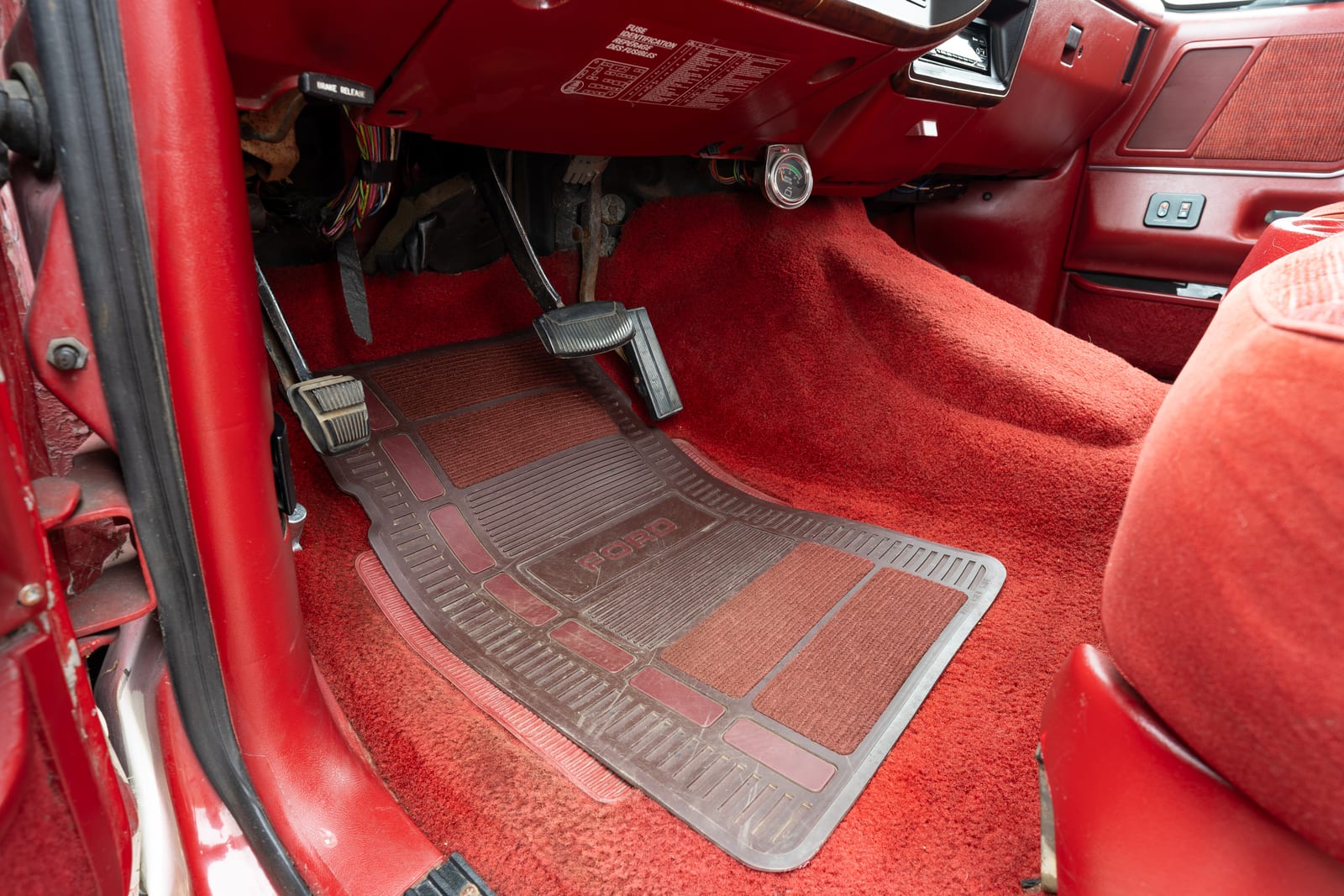
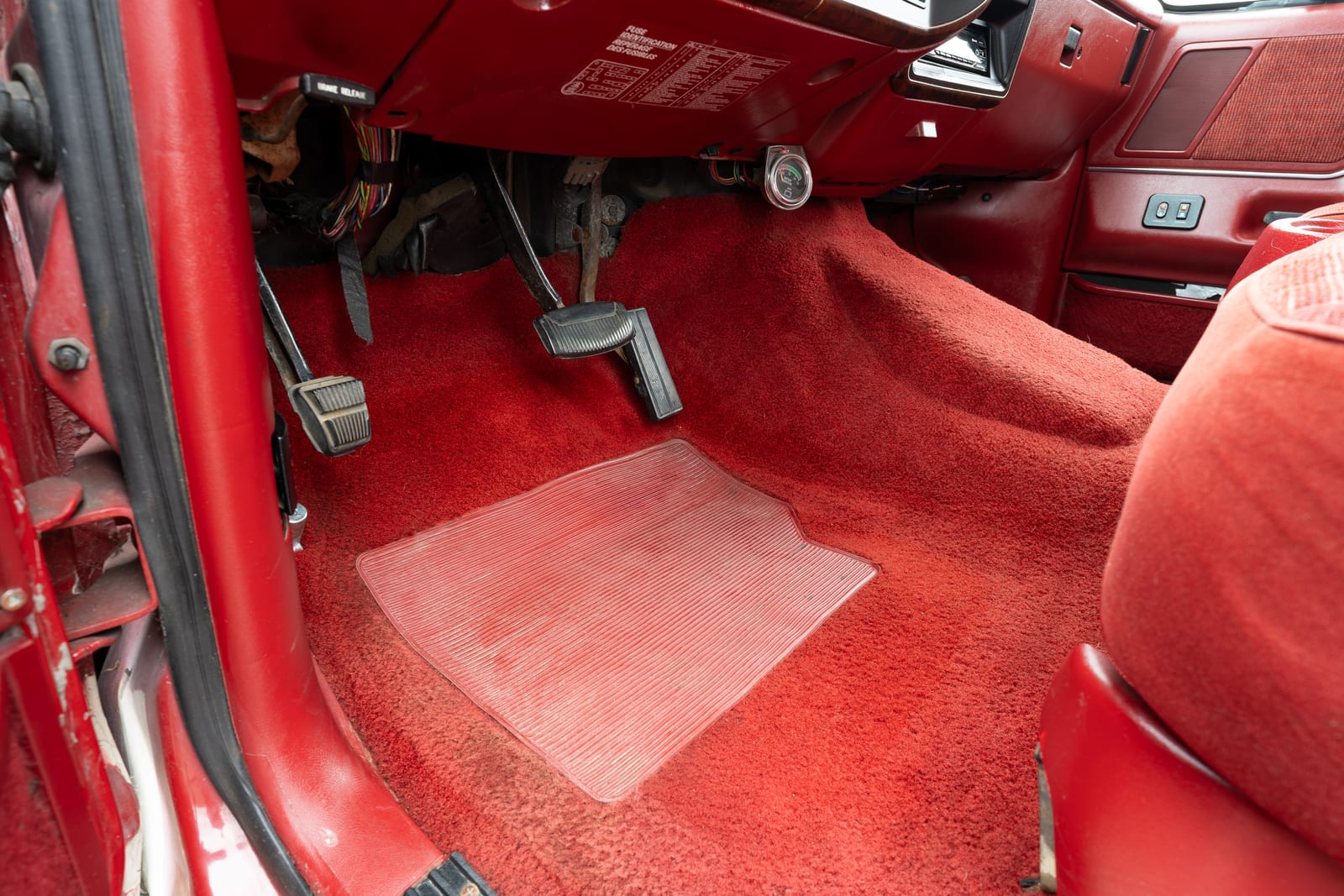
No brief has ever asked to tripod the mats. I shoot it anyway.
And I’ve become happier with the result and the overall set.
When You Stop Discriminating, You Discover Your Perspective
Over time I came to realize you can develop a unique style on any type of shot, whether it be a Lambo body or a Mazda floor mat. You find your angles, you begin to own the composition, and the accumulated decisions become your own personal signature across the set. I stopped discriminating and just tried to make all my shots good. And that act, I think, made me better at the overall set.
Read this before your next auction shoot: How a strict photo brief actually frees up your creativity.
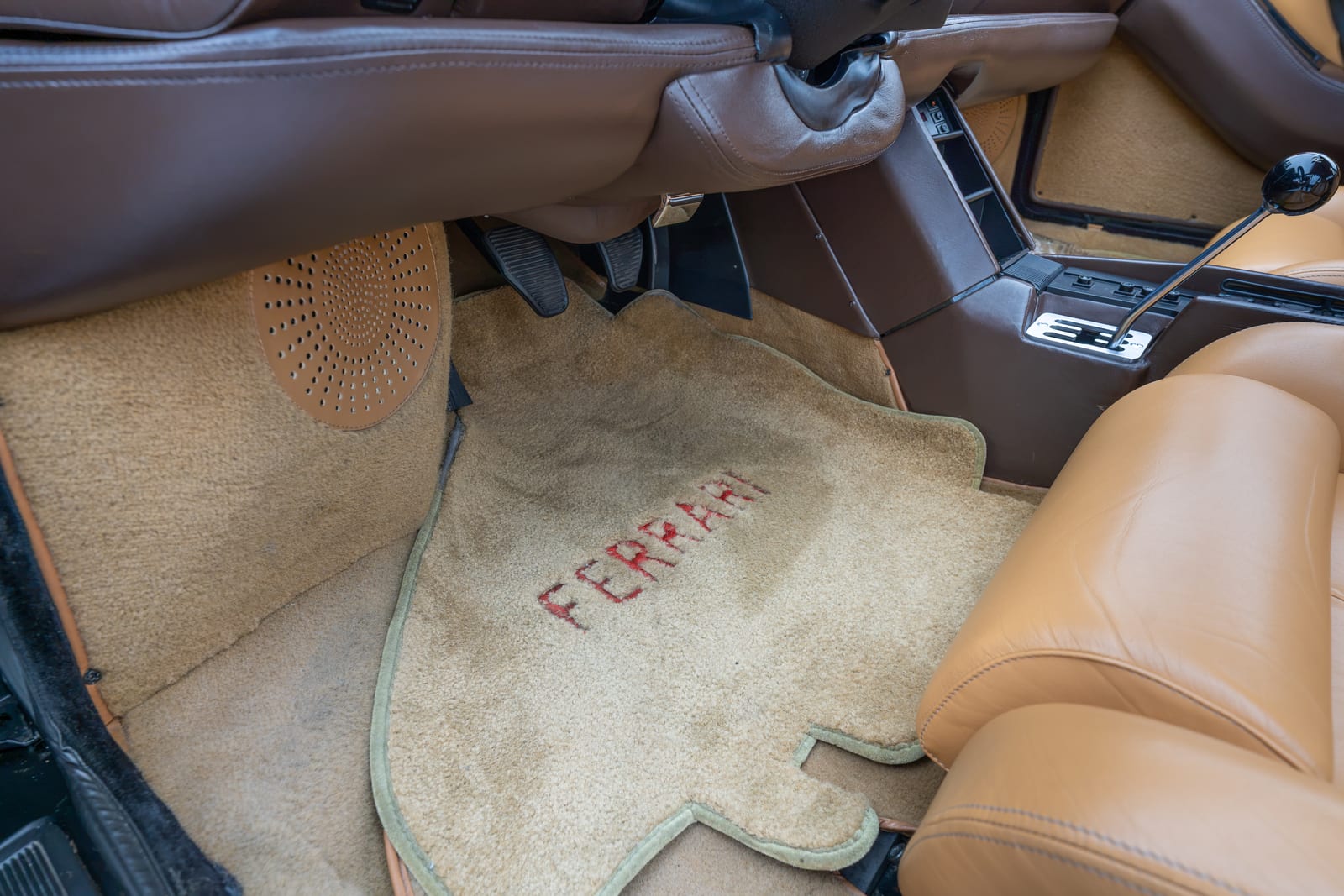
And when you pay attention, especially to the best cars, you can witness their identity in these shots you thought were just documentation.
The Shots That Reveal a Car’s Character
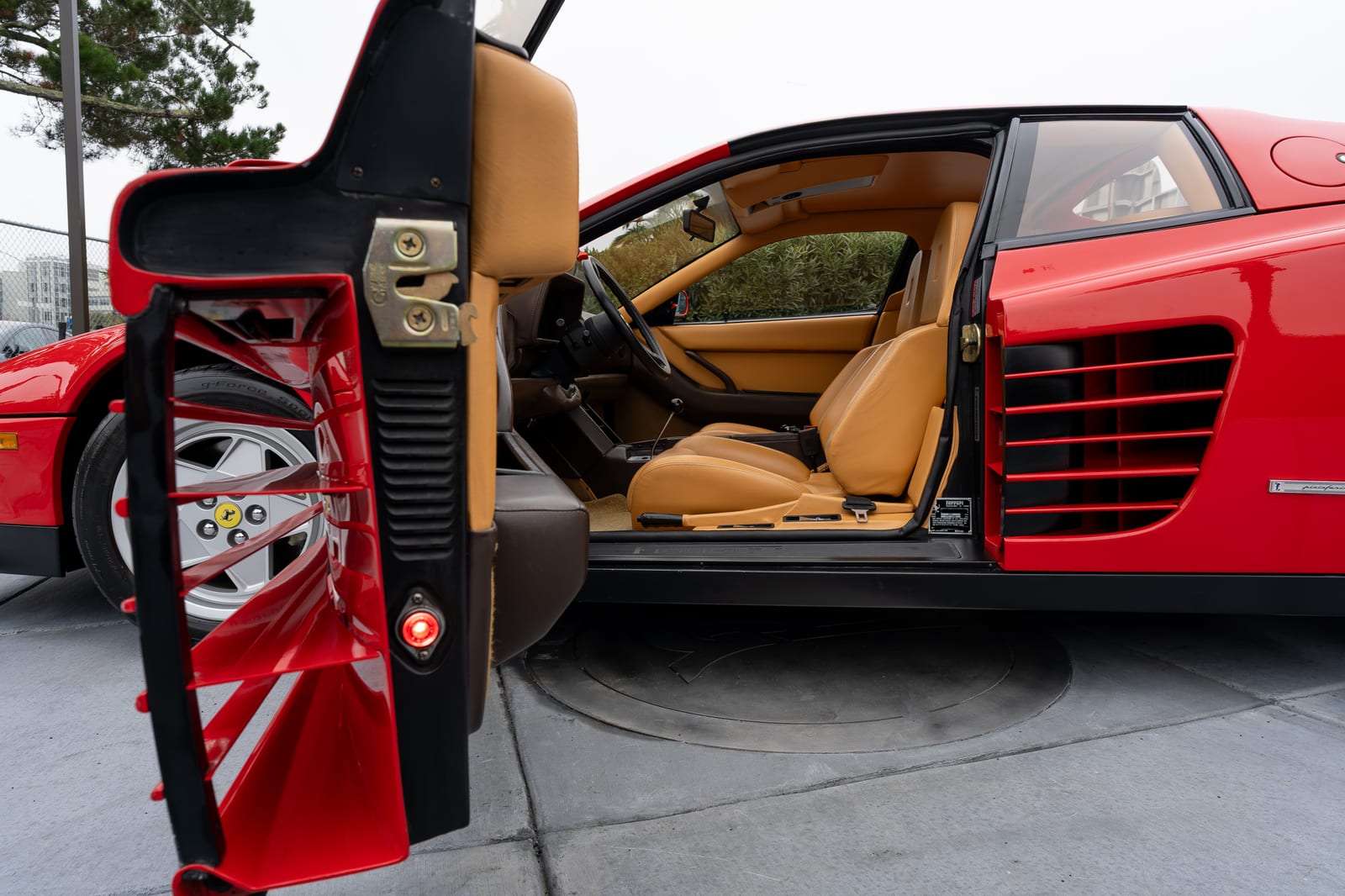
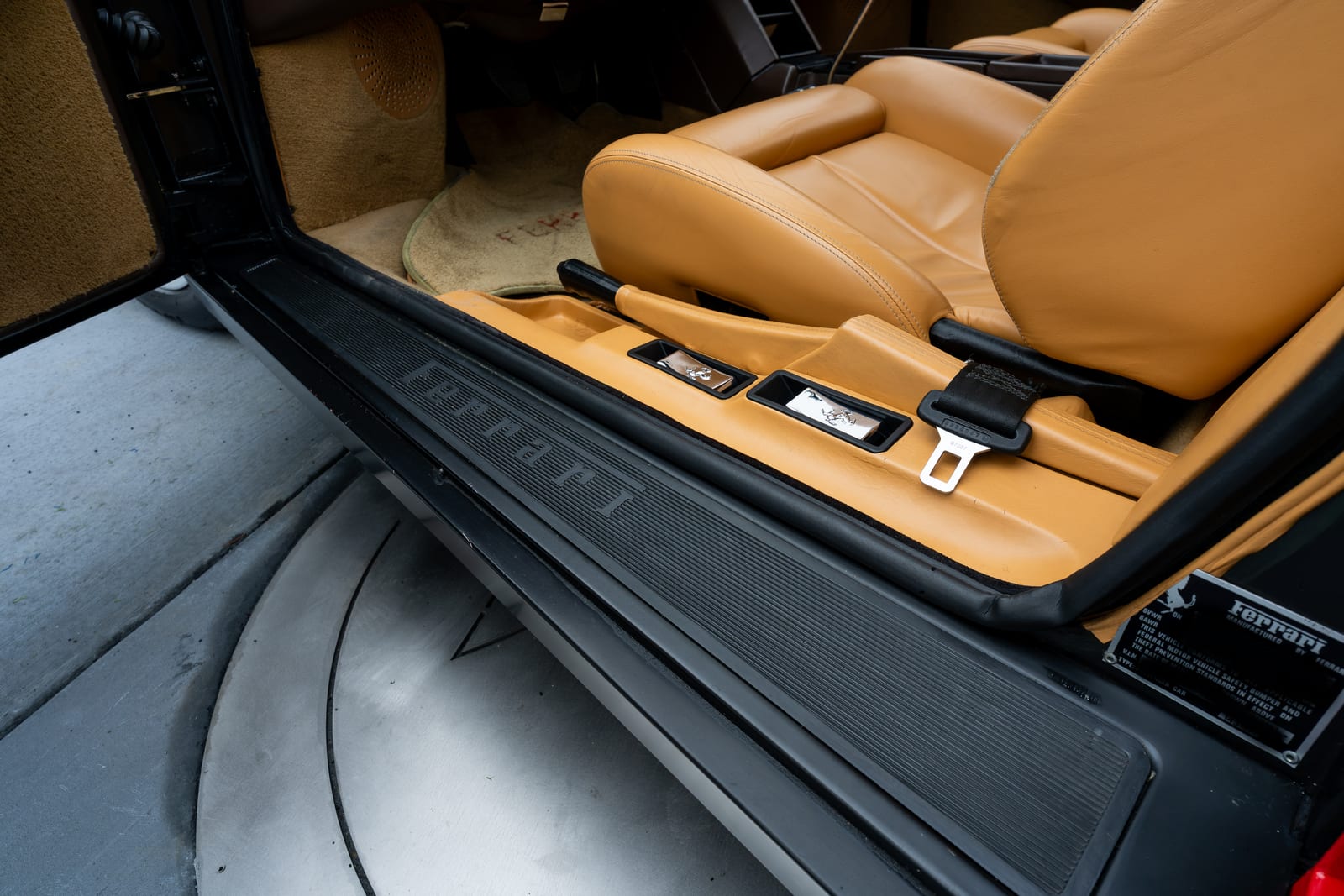
Before every shoot I ask the owner: what unique features does this car have that I should absolutely capture? On a 1990 Testarossa, I opened the door, looked down toward the lock, and found that the famous side strakes (nicknamed “cheese graters”), etched into the door panel, are actually more like little wings coming off the car. You can’t see it from a profile view of the car. No list has that shot on it.
Some cars can be identified from their features alone. When you shoot a Lamborghini tail light, it looks crazy. There’s no way it could be anything else. Most cars are too generic for that; on the exotics and the classics, the features form a car’s identity.
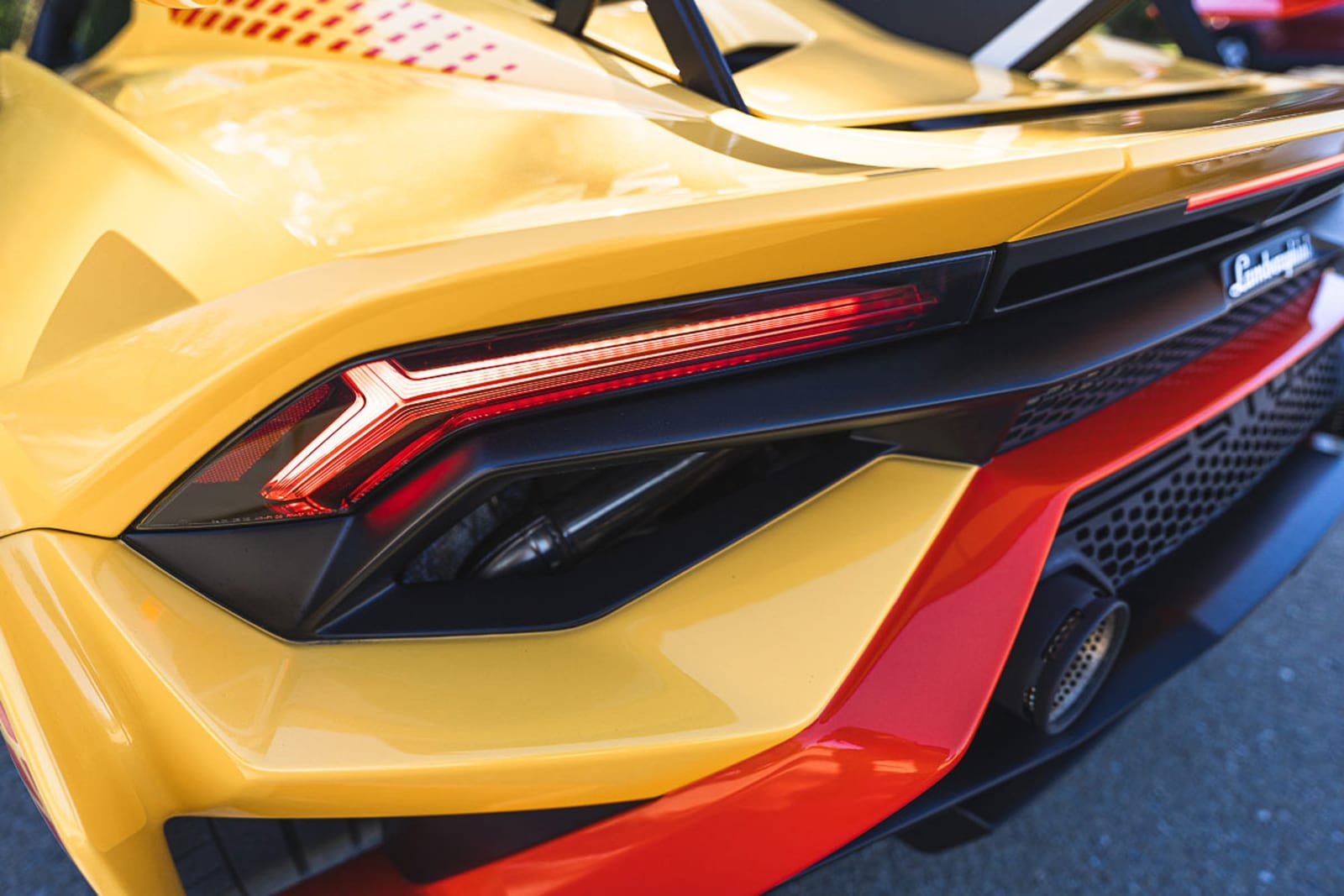
So now I ask on every frame: can you know what kind of car this is just from a profile half shot, a tail light, a floor mat? From just the door? From just the logo or brand name on the door sill, angled so the sill isn’t reflective enough to obscure the name? When the car allows it, I want every detail shot to say which car it belongs to.
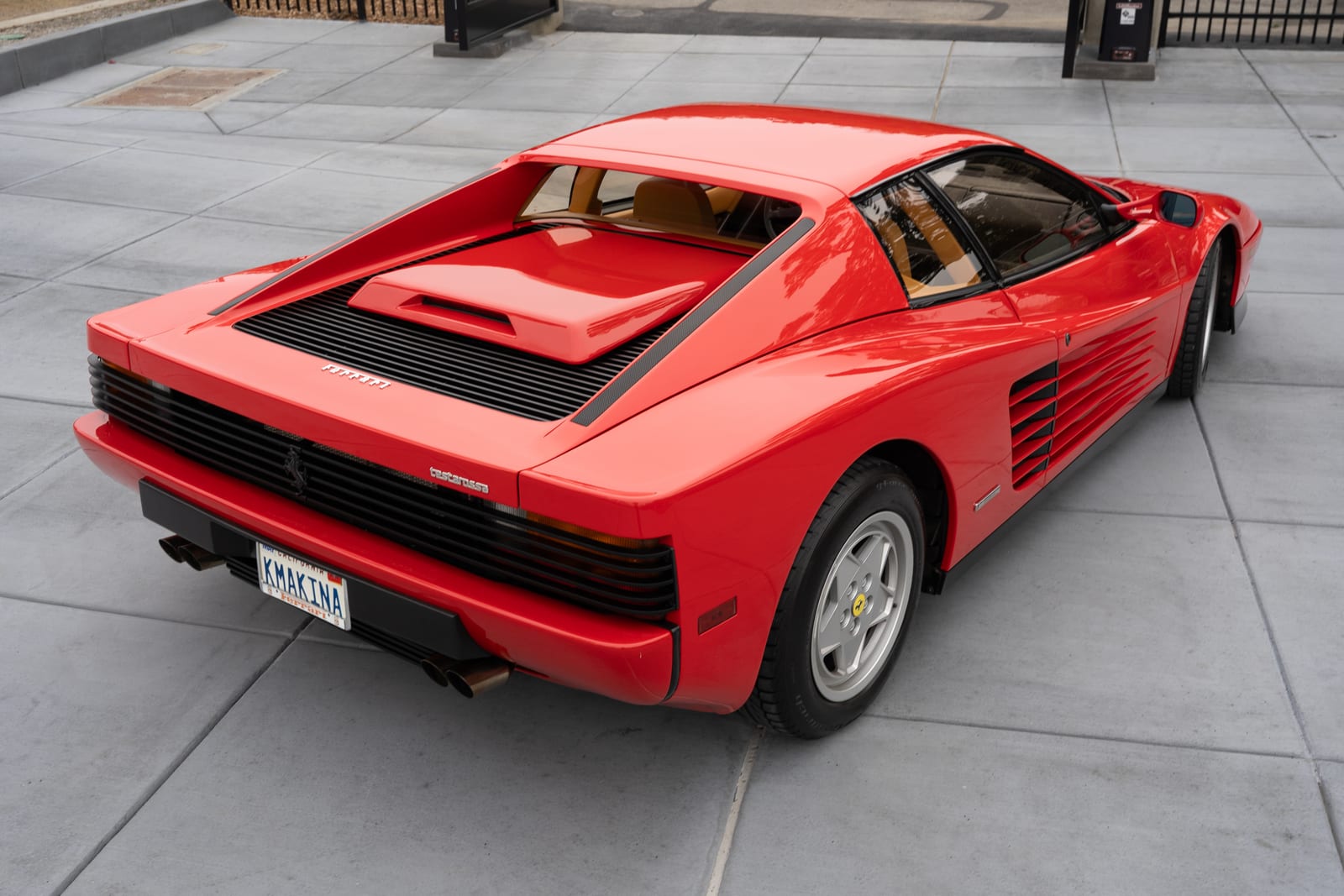
Angles do that same work on the body. Standing up and angling down on the rear of a Ferrari really emphasizes its wider-than-usual backend, and compresses the front... It looks really cool.
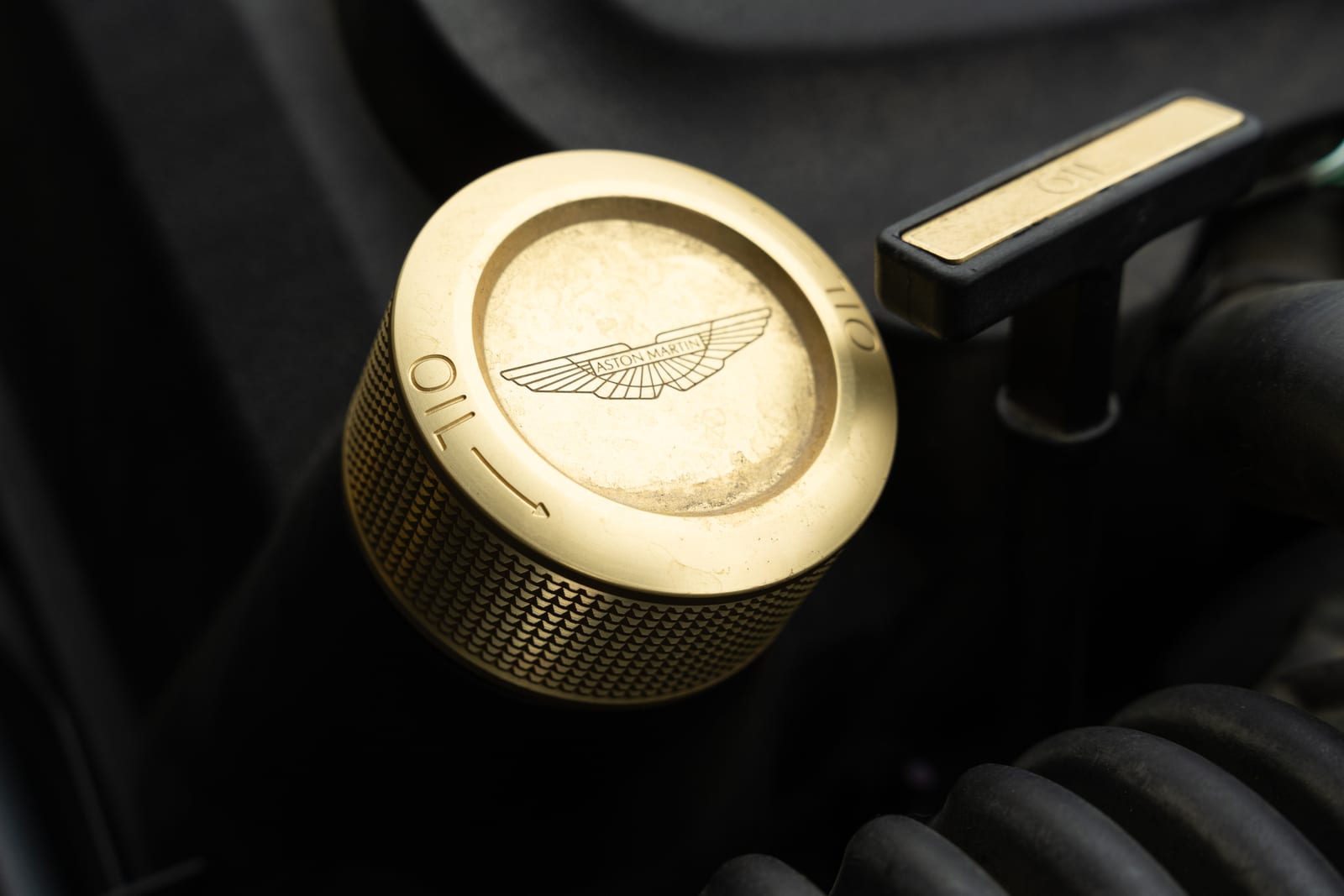
On a 2017 Aston Martin DB11 shoot, the owner leaned in while I shot the engine bay and asked if I’d gotten the gold oil cap. “Is it solid gold?” I asked. “Oh, yeah.” The Aston badge on the engine matched, and so did the lining inside the hood, a factory option Aston calls the Underbonnet Jewellery Pack. I’ve photographed hundreds of cars and never shot one with gold in the engine bay. It’s these kinds of novel details that compound to give a sense of a car’s character.
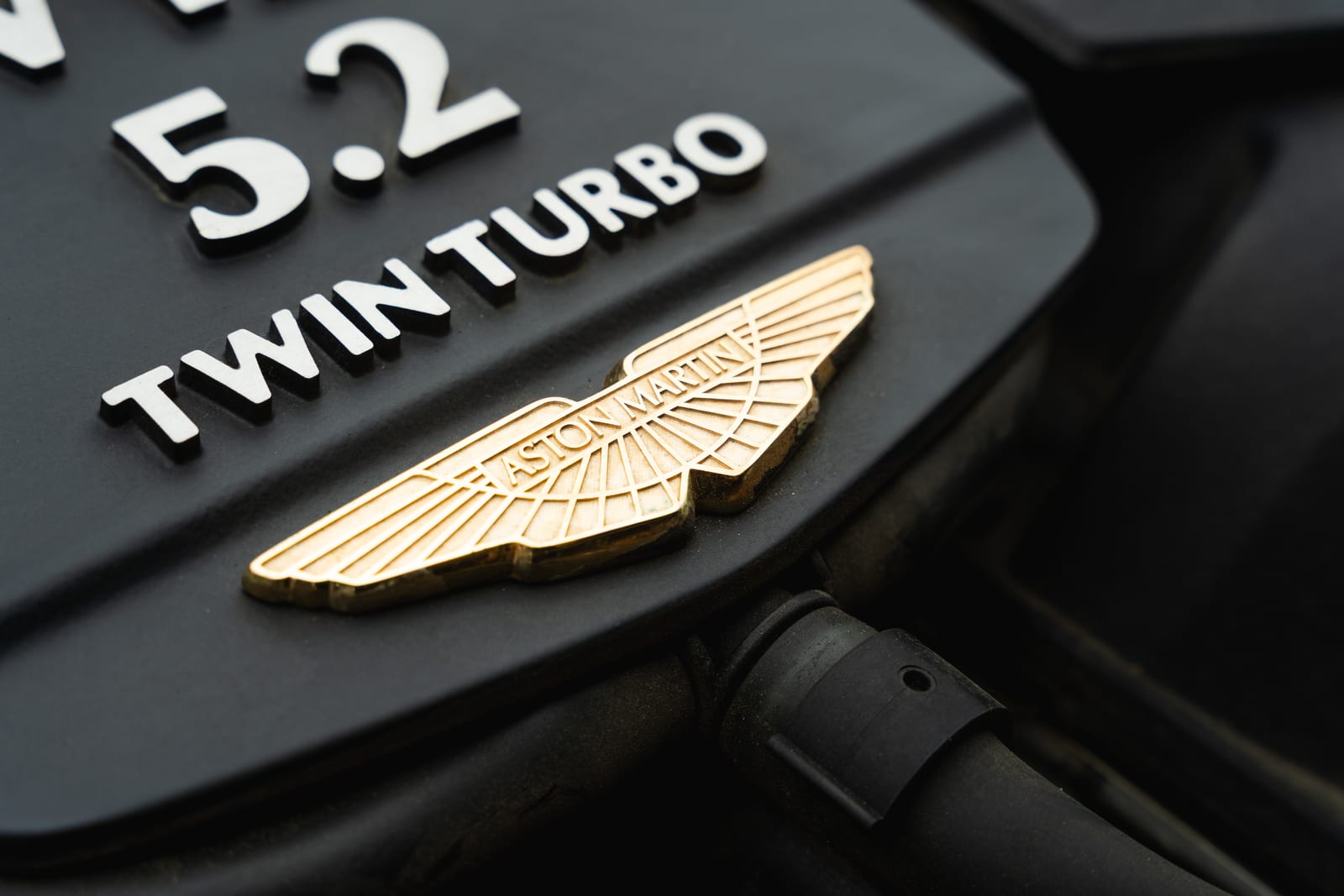
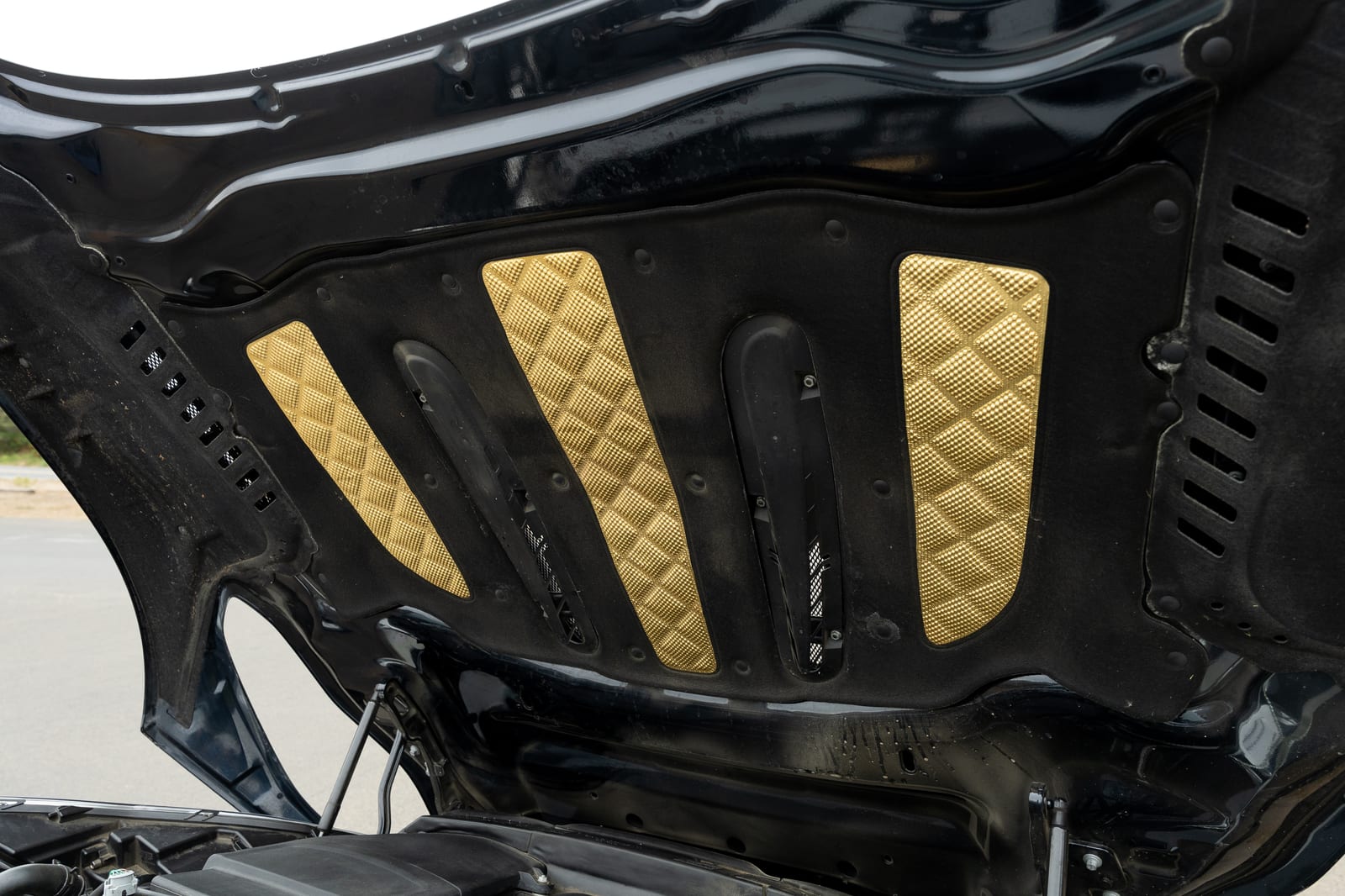
Collectors pore over these listings, and they notice coverage. If there are special features and you take the time to shoot them, it says the owner and the photographer were thorough. This is complete coverage of this vehicle.
Complete coverage equals trust.
Maybe Time on Detail Doesn’t Make Sense for You
Now who pays for all this intent? If you’re getting paid $10 a car, you shouldn’t waste your time with the amount of thought and attention to detail I’ve laid out. Calculate what it’s worth to do your best job with all these shots. The lower the fee, the less time spent. That is fair.
I’ve found a way to make it work. I pick locations that mitigate how many times we have to move the car. I have owners prepare: car washed and detailed before the shoot, so nobody’s jumping in to wipe smudges off and stopping me from shooting. I pick remote places where people won’t walk through. I know all my angles. I have the shot lists memorized. I’m fast and methodical.
I’ve completed whole 200-frame shoots, five videos included, in 45 minutes. Not every time, but often enough.
And at the end of every shoot, I run through the videos and the whole set while the owner and the car are still in front of me. That habit has eliminated pick-up shoots, the ones platforms don’t pay for, where you burn an extra trip or a day for one or two missed frames.
In four years of shooting cars commercially, I’ve never had a set rejected. The calls I do get run the other way: Bring a Trailer reshoots, hired by an owner or by the platform, after another photographer’s set was rejected. One was a custom Harley whose paint was a very dark blue. Almost black, but with a blue tint. Difficult to capture. The first session turned that paint green, and the photographer wouldn’t fix it or didn’t know how.
What the Brief Leaves Out, You Fill with Your Style
The list says floor mats. It doesn’t say tripod, long exposure, focus pulled front to back so the whole mat is sharp. The list says seats. It doesn’t say one-point, level with the lip so the edge sits in plain focus, then push in for the stitching on the lip, then the back, then the headrest, framed the same on every seat in the car.
The brief says what location features to avoid, but it doesn’t tell you that location and time of day are two of the most consequential choices you can make (if shooting outdoors).
Everything the brief leaves unsaid is yours.
That’s the lesson I’d hand any shooter standing over a floor mat wondering why it deserves a tripod. The heroes have literally a hundred years of convention telling you exactly what they’re supposed to look like. The details have little to nothing in terms of convention. Plenty of room for freedom and style. Shoot them like they matter. Shoot them like they’re the most important photographs in the set.