
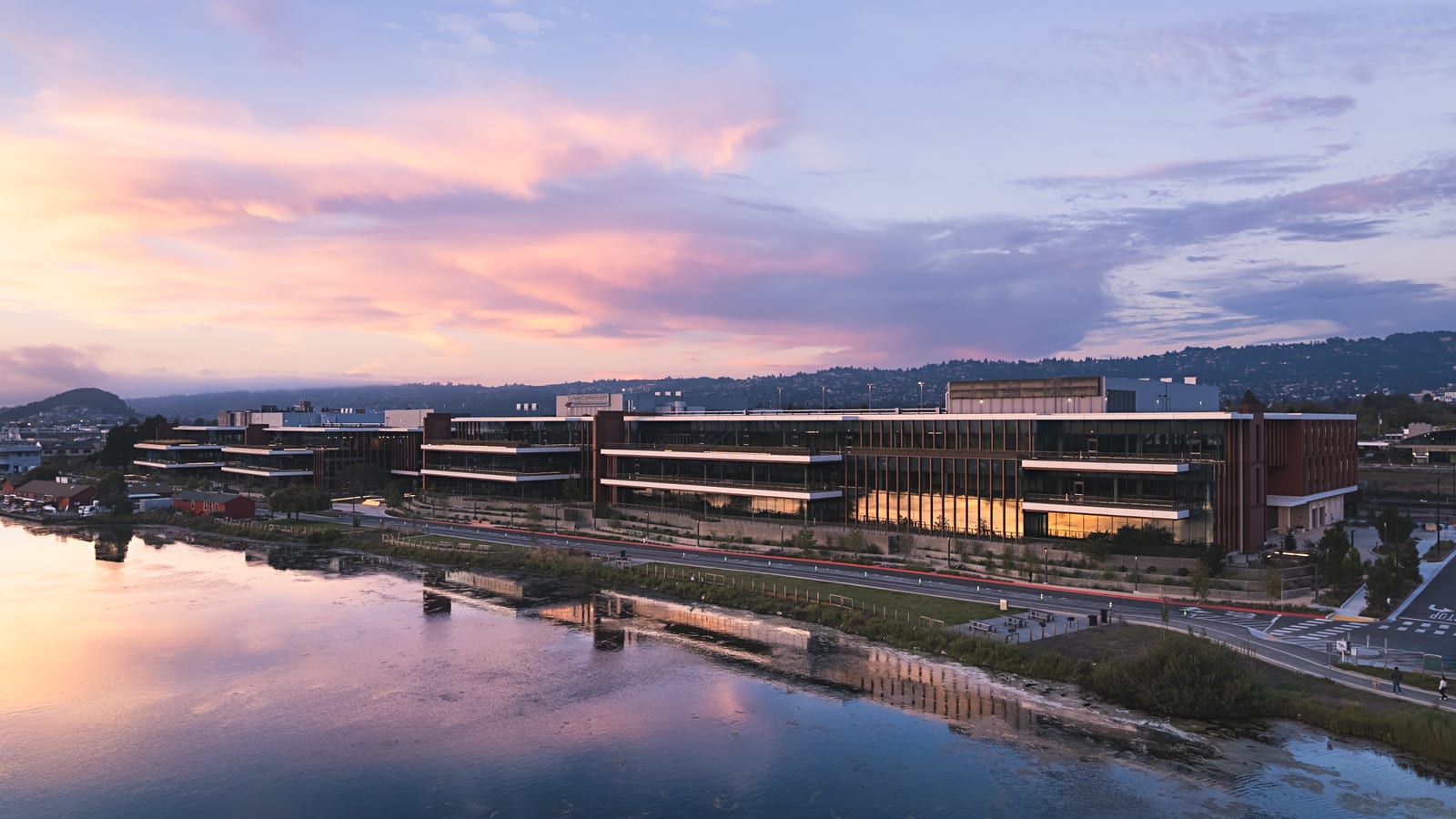
In today's real estate market, it's harder than ever to generate interest in listings. While market conditions fluctuate, photography remains one of the most reliable solutions for attracting leads and closing properties. The impact is measurable and consistent:
- 84% of home buyers won't even consider a property without listing photos (Trulia via CBS News)
- 87% of home buyers relied on photos to help make their decision (National Association of Realtors Study via The Washington Post)
- Professionally photographed homes sell 32% faster and command 47% higher asking prices per square foot (VHT Studios and The Washington Post)
When counseling clients through my photography offerings—general photography, twilight shots, video, aerial work, 3D tours—I'm constantly asked: which delivers the most impact? What's the best combination for a given listing?
Before I answer, one caveat: these statistics have a selection problem. Expensive, desirable homes almost always get the full visual package, so when professionally photographed homes sell faster and for more, part of that is they're also likely really desirable homes. Other factors play in as well: the realtor's network, social media presence, the neighborhood, and the market itself.
So why do I still trust the direction of the data? Because the strongest numbers track how buyers shop. They're about buyer behavior instead of outcomes. 84% of buyers won't consider a listing without photos; 87% relied on photos to make their decision. That's true whether the home lists at $250k or $2.5M. Whatever your price band, you're competing against the other listings in that band for the same buyers' attention, and visuals are how a listing wins that first screen.
Photography gives any property an edge, and the research I've found provides evidence to support this. Here's what the data shows: a complete visual strategy performs best, but some assets provide higher return on investment than others.
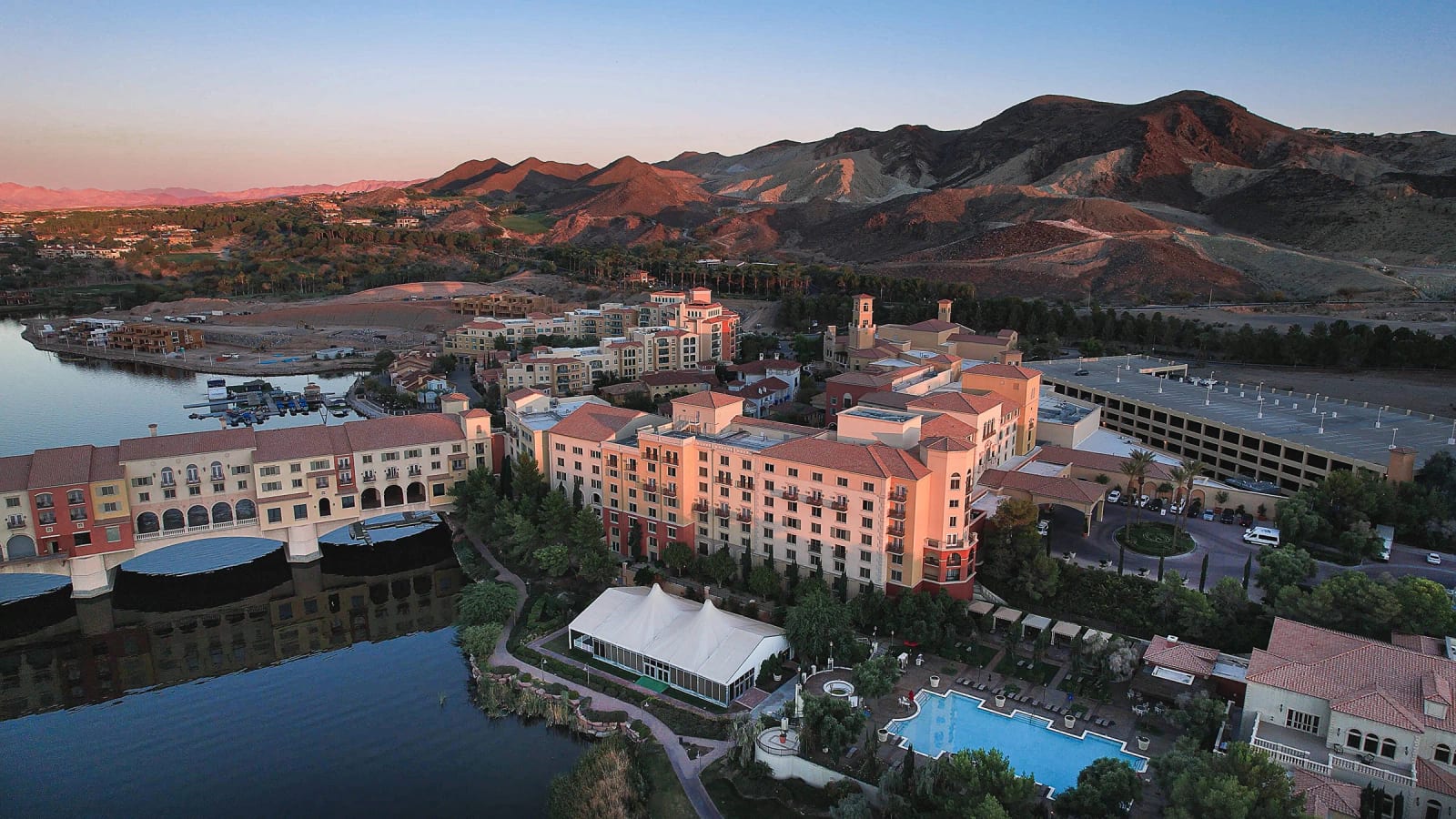
The Core Three: General Photography + Aerial + 3D Virtual Tours
Through research into the available industry data, three categories consistently produce the most measurable results: general photography, aerial photography, and 3D virtual tours. These should be your foundation for any listing, especially when competing against others that already include all three.
Here's what you gain with each:
General Photography
Interior and exterior shots provide complete coverage of all rooms, bathrooms, and spaces. As the data shows, this remains the biggest factor for most buyers when deciding which properties to consider and visit.
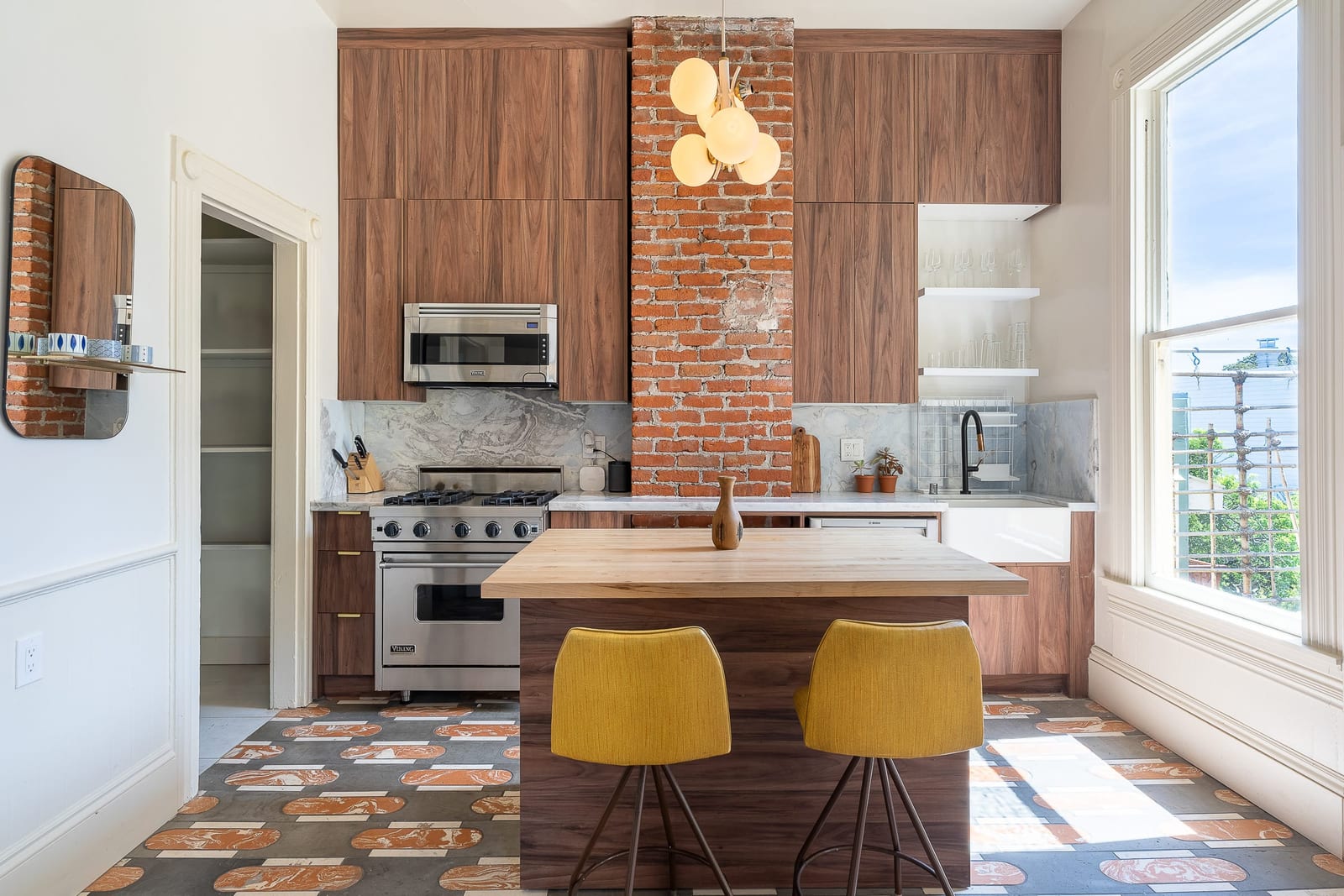
Professional photography captures the essence of each space, highlights the home's best attributes, and emphasizes natural and artificial lighting. These images tell a visual story that buyers can connect with. This takes professional equipment and an experienced eye—the result is faster sale times, strong ROI, and images that enhance your portfolio.
Aerial Photography and Video
Aerial photography provides a complete overview of a property and exterior spaces that ground-level shots can't achieve. Top-down aerials give buyers a clear view of roof condition, and aerial perspectives easily highlight desirable neighborhood features like ocean proximity, beaches, or nearby parks.
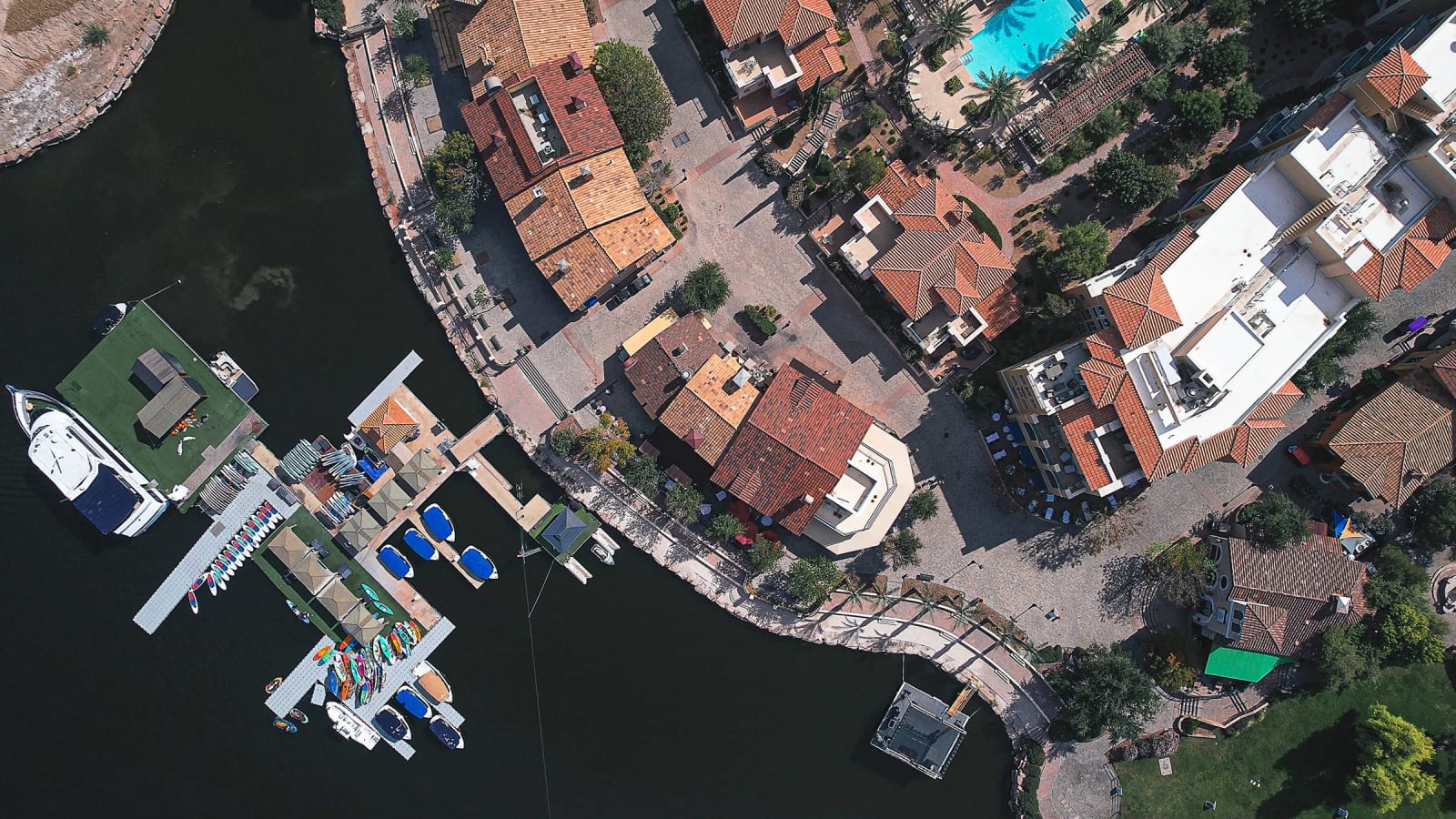
According to MLS data analysis, homes with aerial photography are 68% more likely to sell. This visual asset can also increase sale price up to 10%. While larger, more valuable properties are more likely to have aerials, the aerial perspective helps buyers visualize any property as a whole and understand its relationship to the surrounding area.
3D Virtual Tours
Online tours give immediate access to potential buyers from their own home. I once thought 3D tours were gimmicky add-ons, but buyers rely on these heavily. When paired with quality professional photography, a 3D virtual tour can reduce time on market by up to 31% and help properties sell for up to 9% more (Matterport). Add an interactive floor plan with a 3D tour, and homes are 22% more likely to sell within 30 days (Zillow).
Virtual tours also command higher quality offers according to past studies: "70% of sellers with virtual tours received at least one all-cash offer, compared to 56% without".
I'd speculate that most younger buyers are tech-savvy and value good digital experiences. This makes sense when you consider the Bay Area demographic. Think about how people choose restaurants based on Yelp photos or DoorDash images—just pictures and text, but vital to decision-making. According to Zillow, 67% of buyers want more listings to include 3D tours. Virtual tours build confidence in potential buyers before scheduling showings.
Adding Video Can Increase Your Inquiries By 403%
Beyond the core three, this is the biggest statistical reason to include video as it's one of the most effective ways to increase engagement. 41% of buyers used online video sites in their home search (NAR, Real Estate in a Digital Age 2021). Yet only 38% of agents use video—creating a huge opportunity to stand out.
Why is video so effective? One reason could be that video shows how the layout of a property works—how one room connects to another. In 30-60 seconds, you give people a complete visual experience of the space and spacing. This is often faster than sorting through photos or taking a full 3D tour. It's low effort, low commitment, and can serve as a gateway that leads to deeper engagement with the listing.
Video can be especially important for out-of-state buyers and anyone making decisions without visiting the actual home.
The Twilight Effect: 3x More Showings
Twilight shots highlight outdoor lighting features, fire pits, pool and hot tub lights, landscape lighting, and the home's own lighting. This is best achieved during golden hour or just after sunset in blue hour.
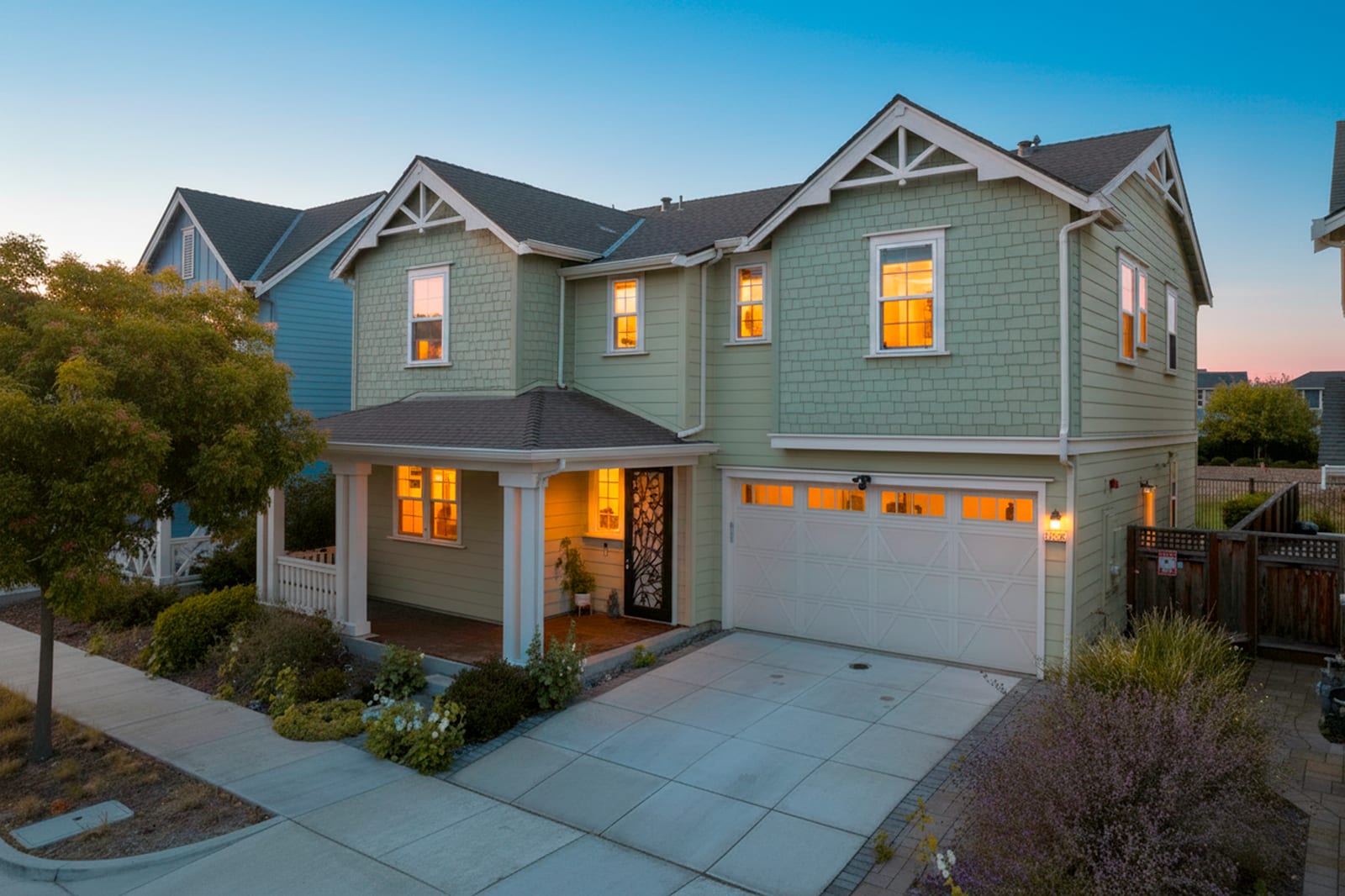
Listings that include twilight shots experience 3x more showings on average. When a twilight shot is the hero image, expect 76% more views compared to daytime shots, plus increased click-throughs. Listings with any twilight photos command 66% more views.
Twilight usage leans toward higher-priced homes: 59% for homes $500k+, 32% for homes $300k–$500k, and 8% for homes $100k–$300k. This suggests twilight photography represents luxury lifestyle and quality.
Many clients understand that twilight shots make exteriors look beautiful, but they often see them as extra cost rather than an investment with real ROI that drives traffic and attention. The data supports the latter.
Building Your Visual Strategy
Start with the foundation: professional photography, aerial photography, and 3D virtual tours. These are essential for competitive listings in most markets, especially in the Bay Area where buyers expect quality digital experiences.
After establishing that base, choose additional assets based on your specific goals:
For speed of sale and attracting long-distance buyers: Add high-quality video. Video works well for social media engagement and has become a growing force in real estate.
To capture attention and increase showings: Invest in twilight shots. Even for lower and mid-market properties, twilight photography displays homes at their most appealing, generating more views, click-throughs, and showings.
The goal is connecting with qualified buyers who can already see themselves living in the property before they ever walk through the door. By selecting and combining the right visual assets, you create a stunning listing that reaches these buyers efficiently, a listing supported by the available data to ensure success.
A note on sources: Many of the statistics quoted across the real-estate industry, including some here, come from reports that are either about a decade old or behind paywalls, so what circulates publicly is secondhand citation. I've attributed each number to the source where I actually found it, and I'd treat exact figures as directional rather than precise.