
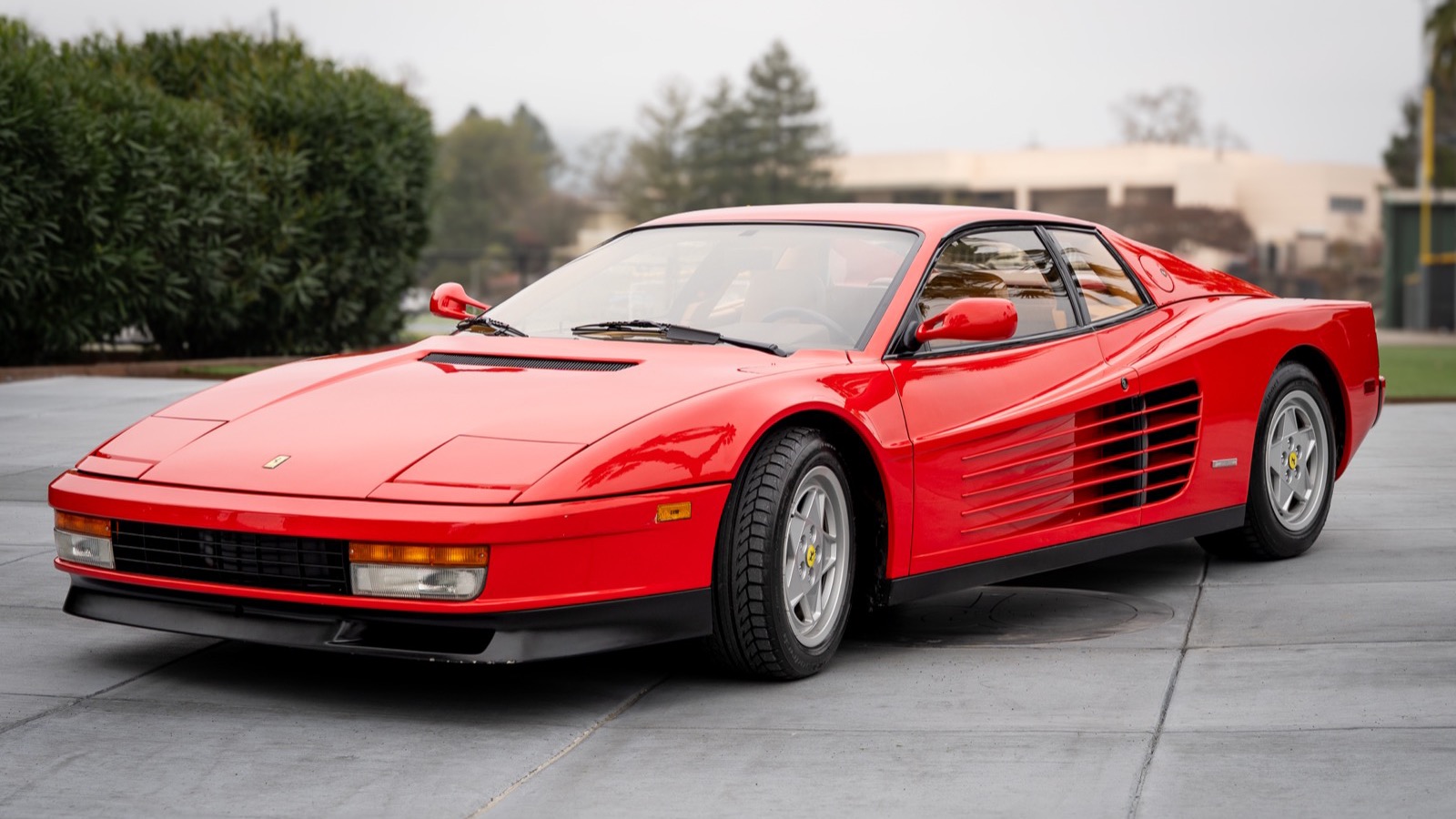
The deliverables for auction automotive photography are 150 to 200 image sets that tell the car's story and show how cool it is, disclose its blemishes, and document how well it was cared for. But why so much coverage?
The sheer image quantity is a tall order.
Photographers I've worked for, shooting in other genres, and charging thousands for a set of thirty in architecture think this pace and deliverable are insane.
Dealerships require fewer images for their inventory on their own websites, yet when the same dealerships hire me for auction work, I'm doing the 150 to 200 set.
It has to be done fast to stay profitable for me, and affordable for the client: under two hours per shoot. It has to include video, sometimes up to six if a driving video is desired. And I still have to cull and edit the whole set, which takes time.
So why?
Buyers and Bidders Never Touch the Car
The big thorough set, the strict shot list, the quantity are for buyers who will never put hands on this car, never see it in person, never get to test drive before committing anywhere from fifteen thousand to over three hundred thousand for it. The set has to give them the feel of what it's like to sit behind the wheel.
So a big part of the job is connecting people through visual language, providing an emotional as well as intellectual feel for the vehicle with a procession of frames.
For outdoor shoots, another vital aspect that makes all this possible is location and time of day. Because cars are so reflective, the sun intensity and landscape have a huge effect on whether you're getting clean lines on the body or a mess of reflected surroundings that make it hard to see the paint's condition.
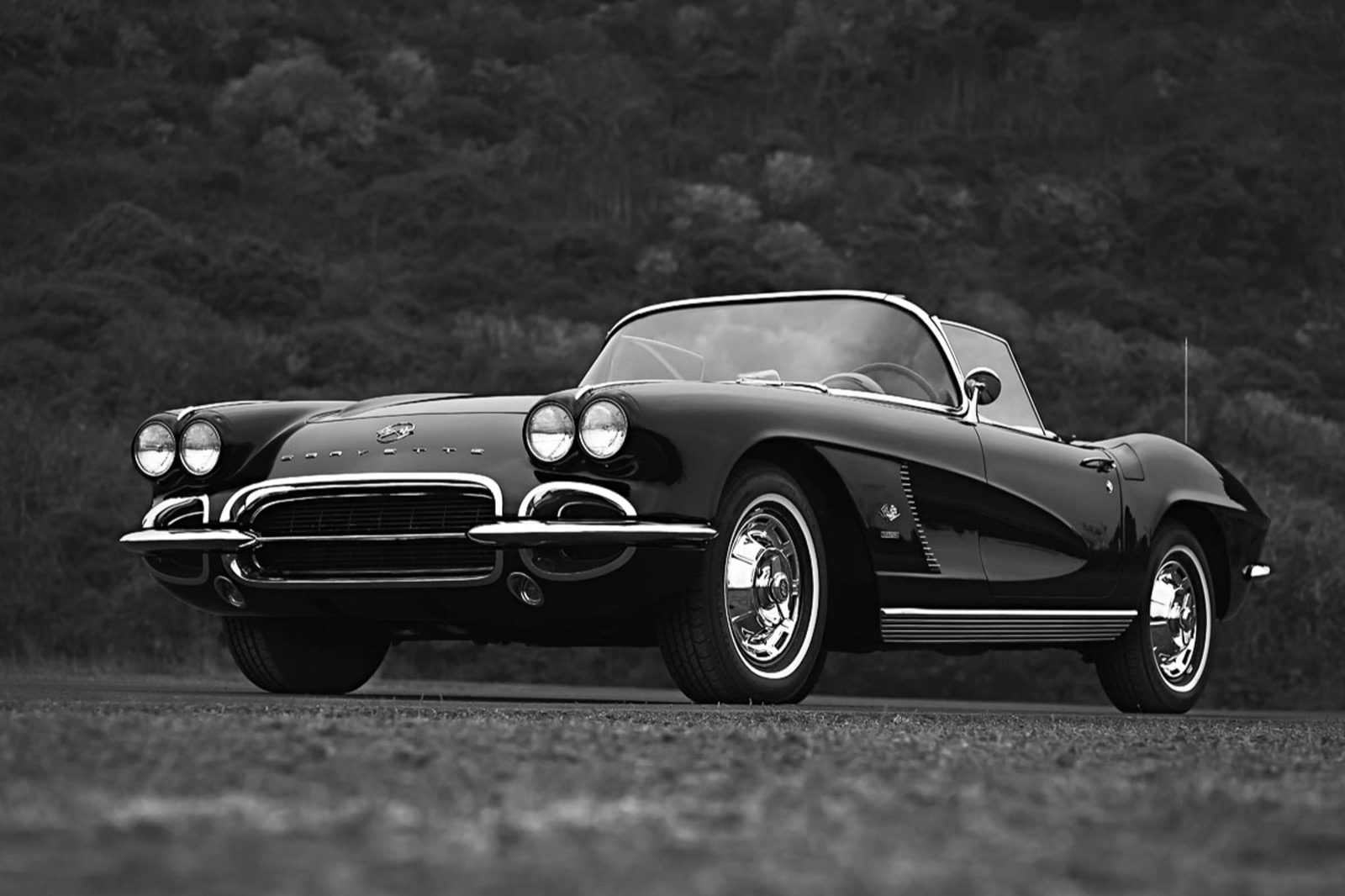
Seduce, Document, Confess
This is the main structural arc to almost all auction listings.
My shooting process has evolved to meet that narrative arc over the years, after hundreds of cars shot. The time, quantity, shot list limitations, and how the set is actually published in a listing have all shaped and informed my shooting approach.
Shooting fast with tested experience, you know the desirable range for every aspect of the car. I start with the wide, full body shots, working my way around the body (the seducing shots), then surgically crop to tighter and tighter shots, moving myself almost in a physical spiral around the car, closing in, remembering how each shot was framed on one side of the car, so I can match it as closely as possible on the other side, framing the doors the same, the door handles from the same angles, the mirrors, glass, trunk, hood (the documentation part).
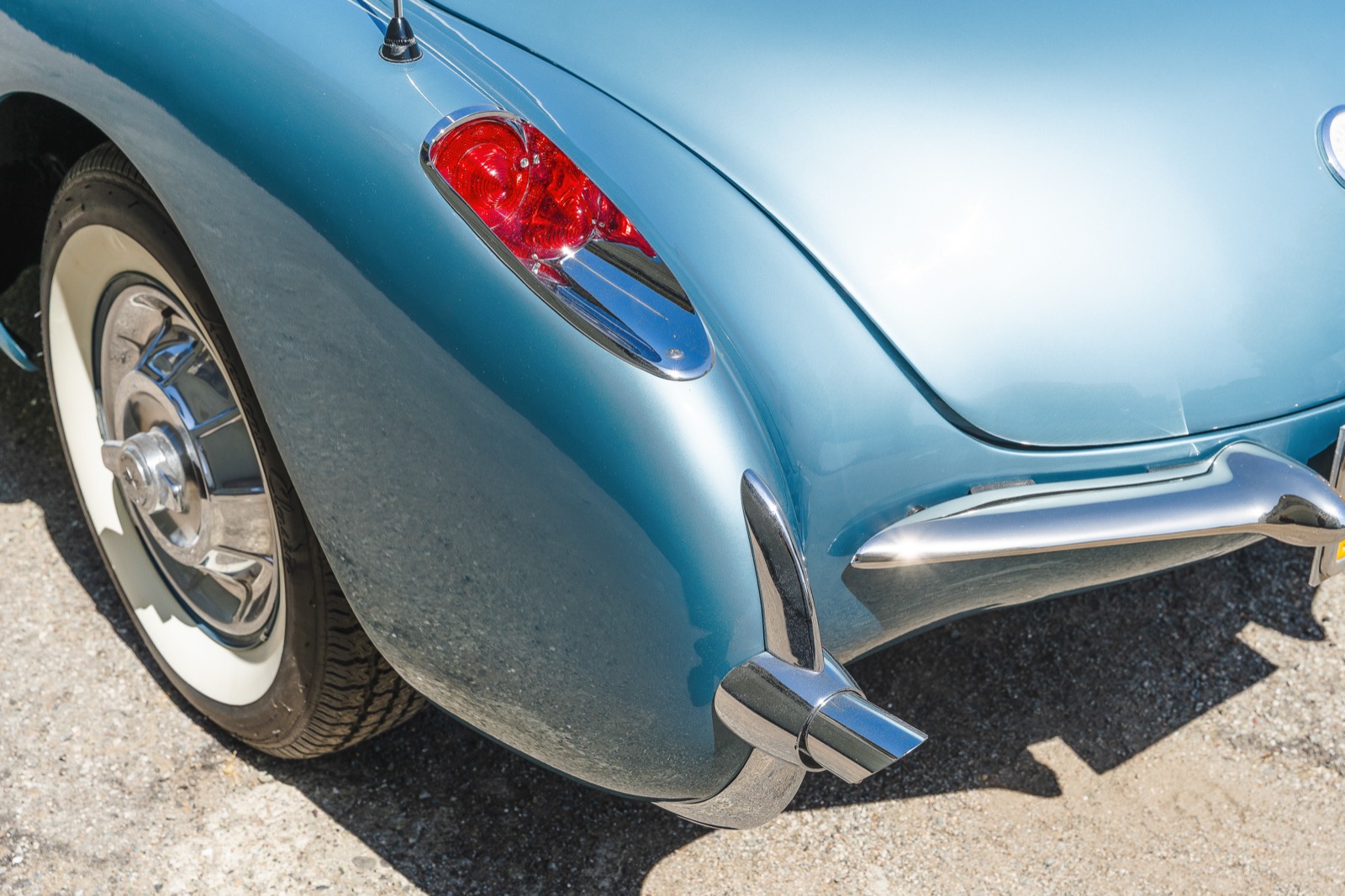
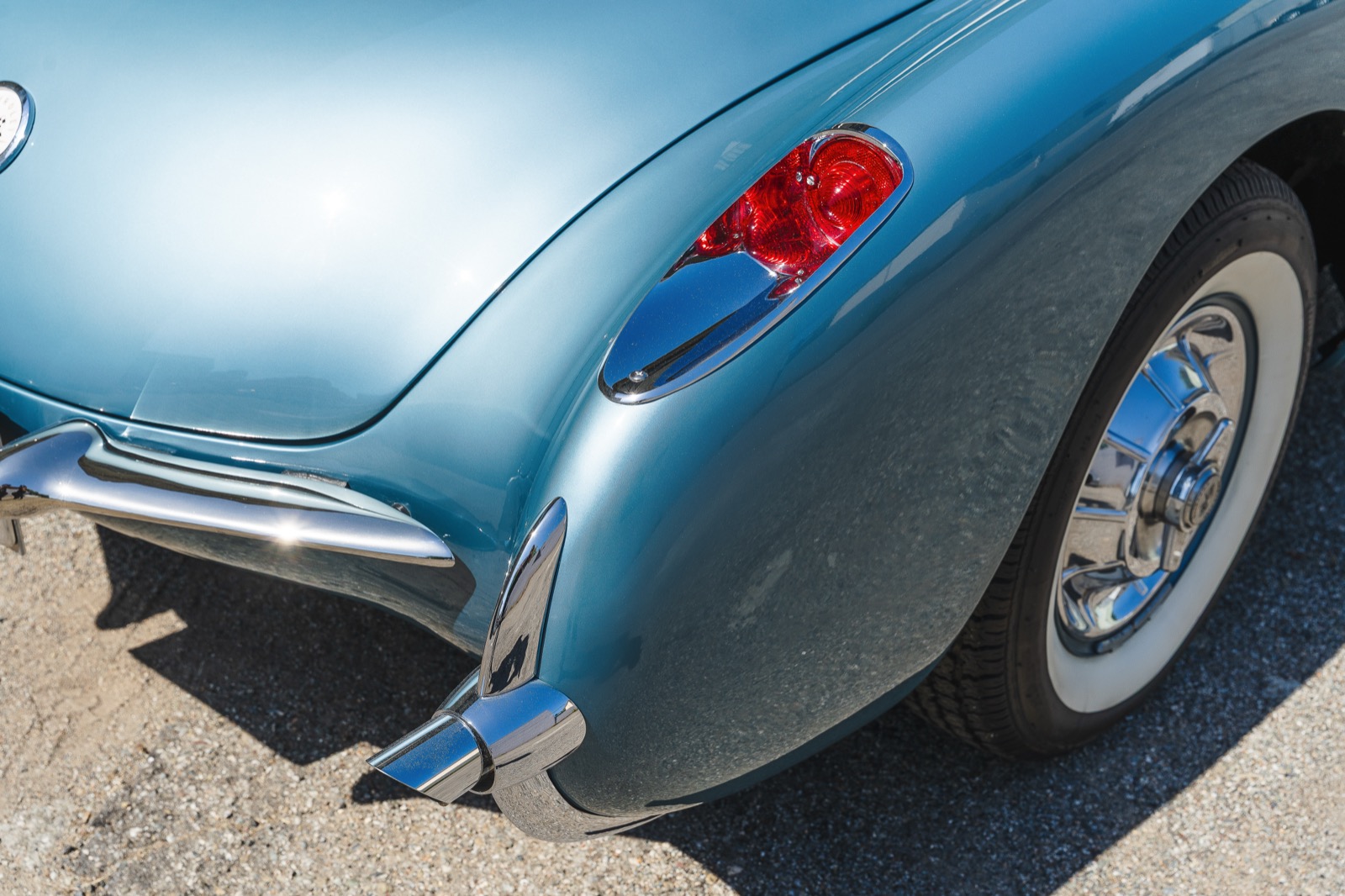
Speed allows one to slip into a creative flow where you don't have to think about the last shot or the other door; you just feel how you framed it, and frame it the same way, making sure everything is sharp, in focus, and properly exposed as you go.
Flow lets you execute a signature style and solve creative problems at hyperspeed. Even though you're moving fast, it's as if time slows down.
Speed equals flow state.
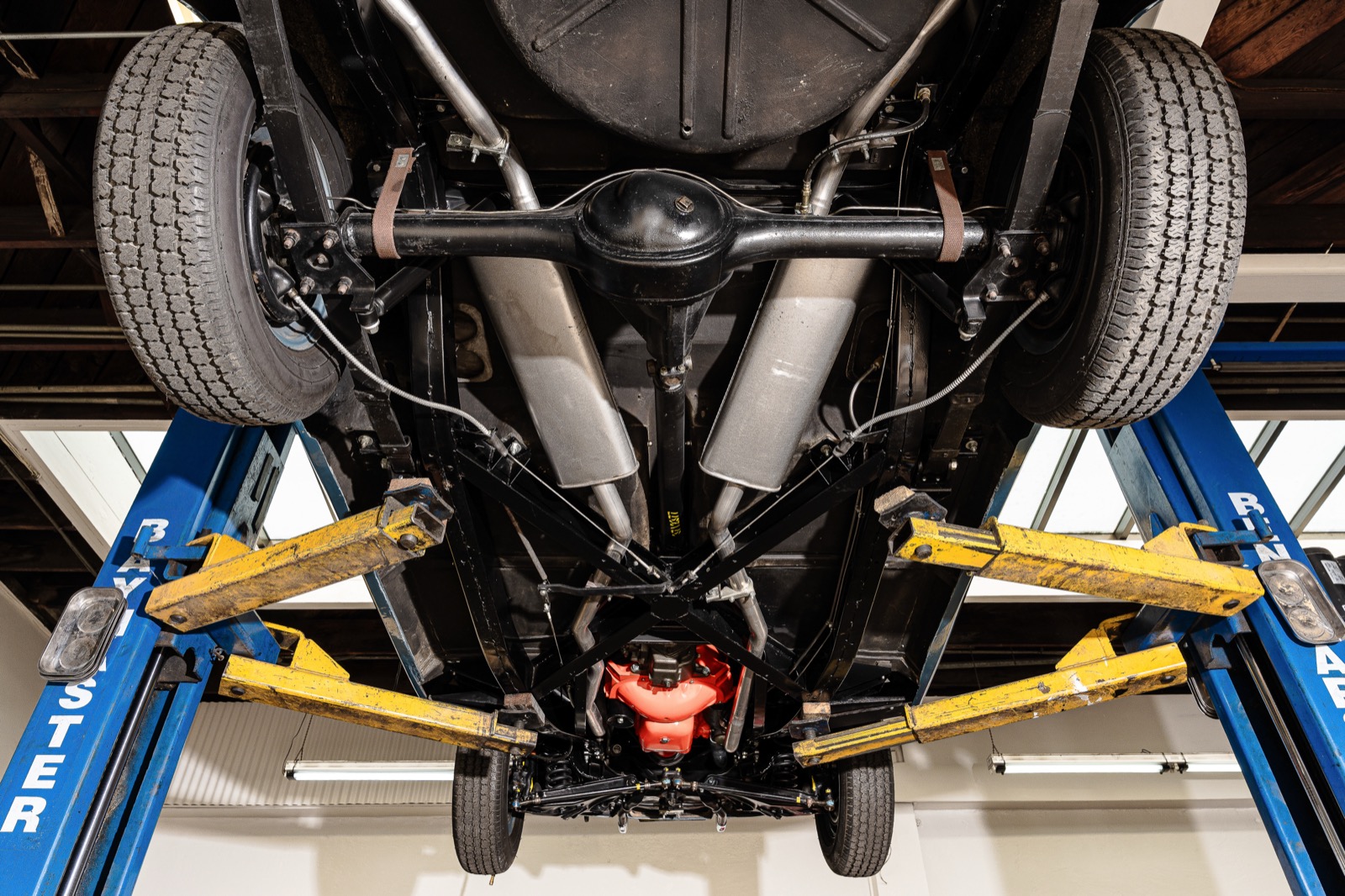
Muscle memory helps too. Spiraling gets you from wide full body to close body details, scrapes, and the confession part. For undersides, I'll bring an AD600, a powerful strobe light on a stand, sometimes two, and bounce off the concrete to light directly on the underside detail. This is especially helpful if the car is up on a rack.
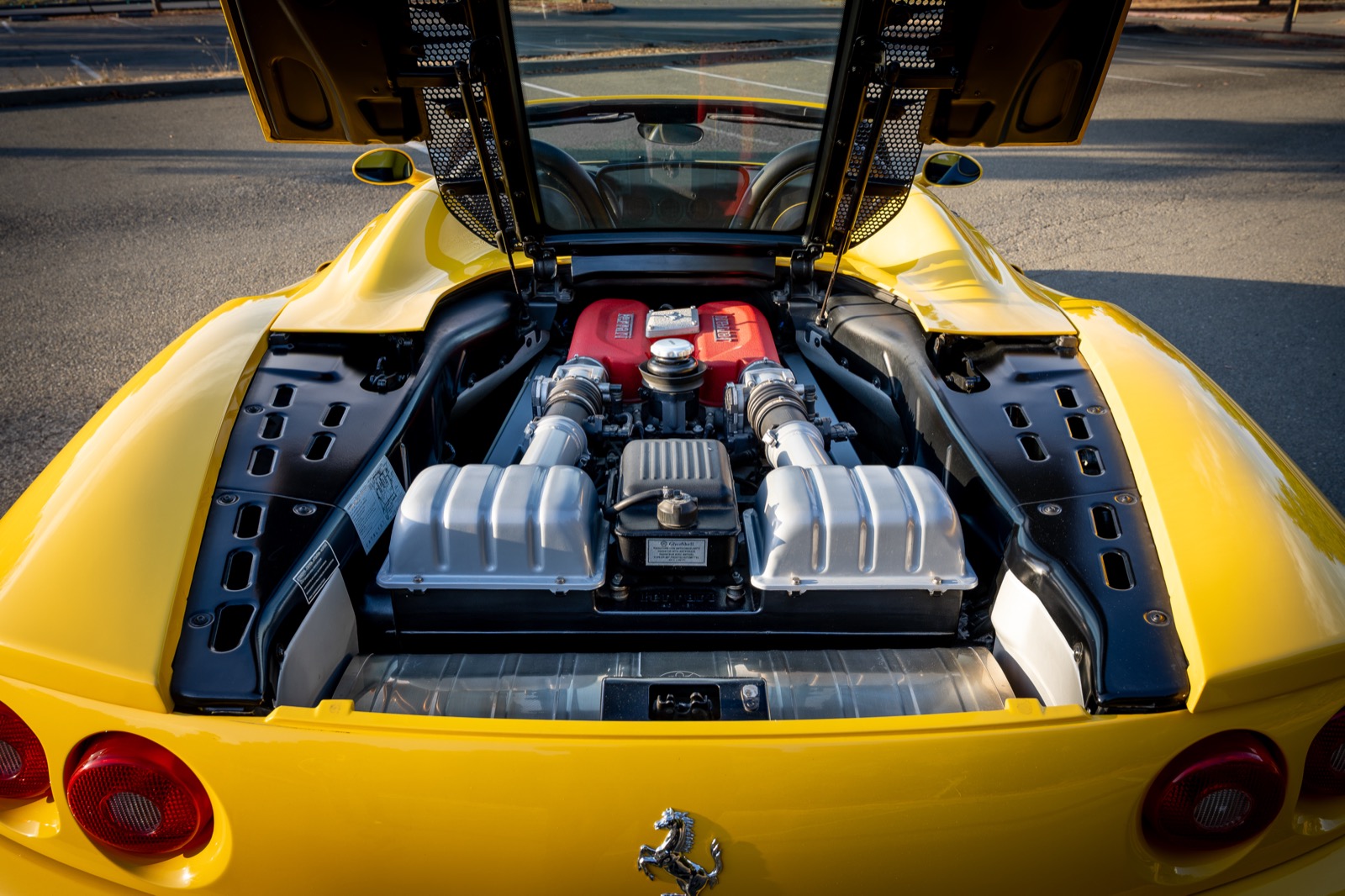
After spiraling in, I do the trunk and the engine, sometimes lighting the engine with a softbox for directional light. Then I move to the interior, again starting with the wide views, sometimes using a tripod and bracketing for the windows, taking multiple shots that expose for the outside scene and the interior without the windows being blown out or the interior being too dark, especially if there's a good view, so I can pull the windows in post (a real estate technique that allows for realistic exposure of the outdoor scene).
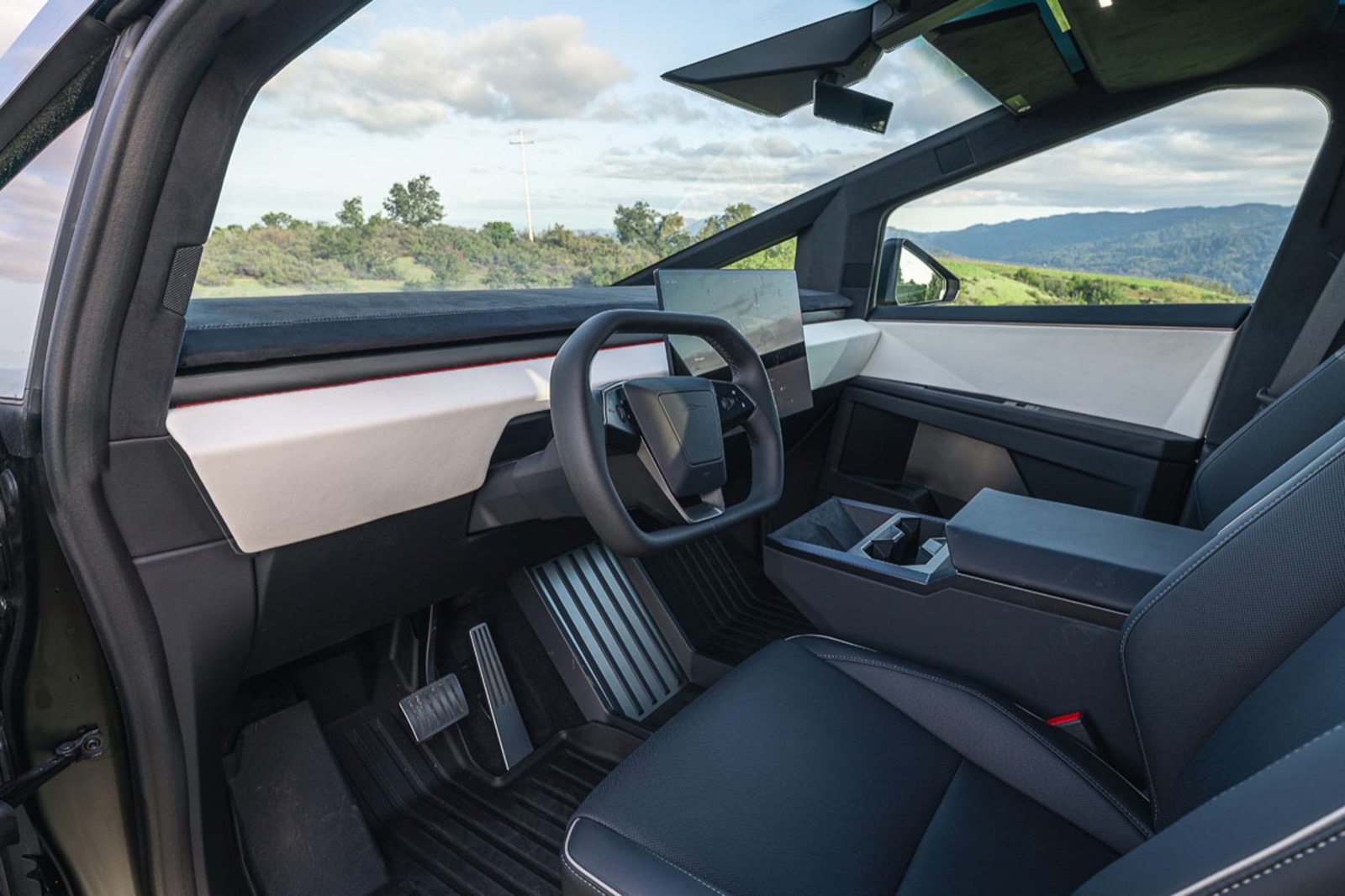
I also use flags occasionally to block sun stripes and get consistent light on the dash and seats. I'll use a tripod for floor mats if the light is low, so I can get a long exposure with crisp carpet and full disclosure of how the mat and the floor under the mat were cared for, the confession part.
Let the Car Tell the Story
Different cars require different shots. But all cars require emphasis on the details.
Shooting the interior like a dream, so it's yummy and slick, but also shooting the mats so they're well lit and sharp, shooting those sides of the seats and headrests so their framing is consistent, and you can see the fabric and stitch texture. Those details are just as important as the hero shots, maybe more so.
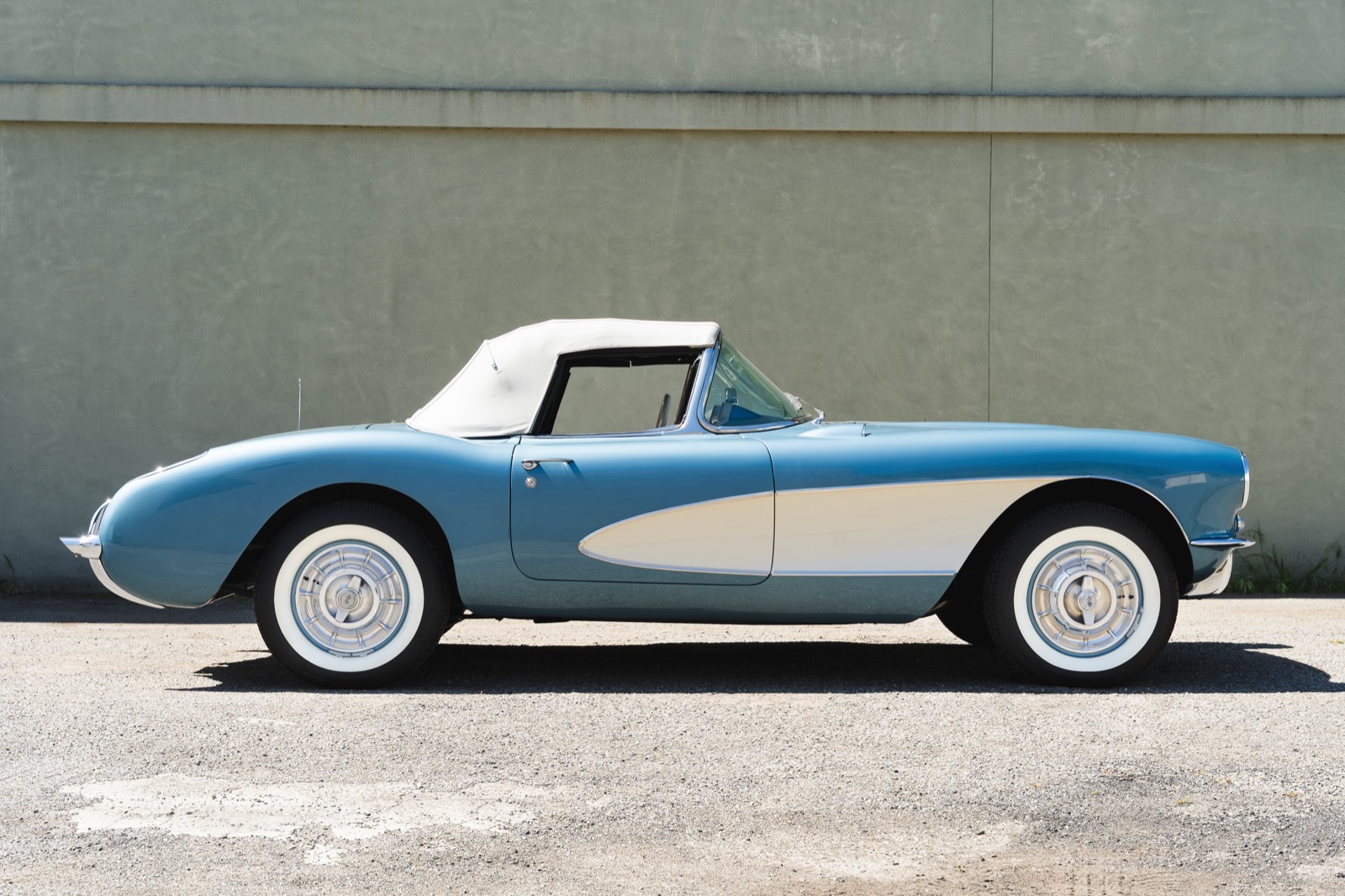
For classics, supercars, and luxury sports cars, there are often more potential shots because of unique sculpted body designs and features other cars just don't have. Think Ferrari, Lamborghini, or a '60s Corvette. On a 1957 Corvette I shot for a Bay Area classic car dealership, the shapes themselves made the shot list longer—a body like that gives you angles a five-year-old sedan simply doesn't have.
Restriction and Limitations Spawn Creativity
Some photographers shooting other genres complain auction photography doesn't offer creative control. They name the shot list and strict requirements. I see their point.
For them, full control means designing the shot list with the client through scouting or having go-to shots customized for that client's needs.
A set shot list might seem counterintuitive to creative freedom. But working with limitations isn't a defect of art, and infinite possibilities can also lead to a muddled voice.
There isn't really a wrong approach. Whether you're in a position to create a shot list with a client that serves their needs or you're shooting a photography brief of predetermined shots that represent the acceptance criteria for an auction listing—both approaches leave room to make the work yours.
But working with the limitations and running against them is a ripe place for creativity. And personally, I've found it's helped me develop a signature across a set.
After a while, you find your angles and your takes on these shots in general. I love the 45-degree downward tilt at the door handles, standing at a 45-degree angle to the car. Those feel like my angles. You begin to own the composition on these shots, and the accumulated decisions become your own personal signature throughout a 150 to 200 shot set infused with creative flow.
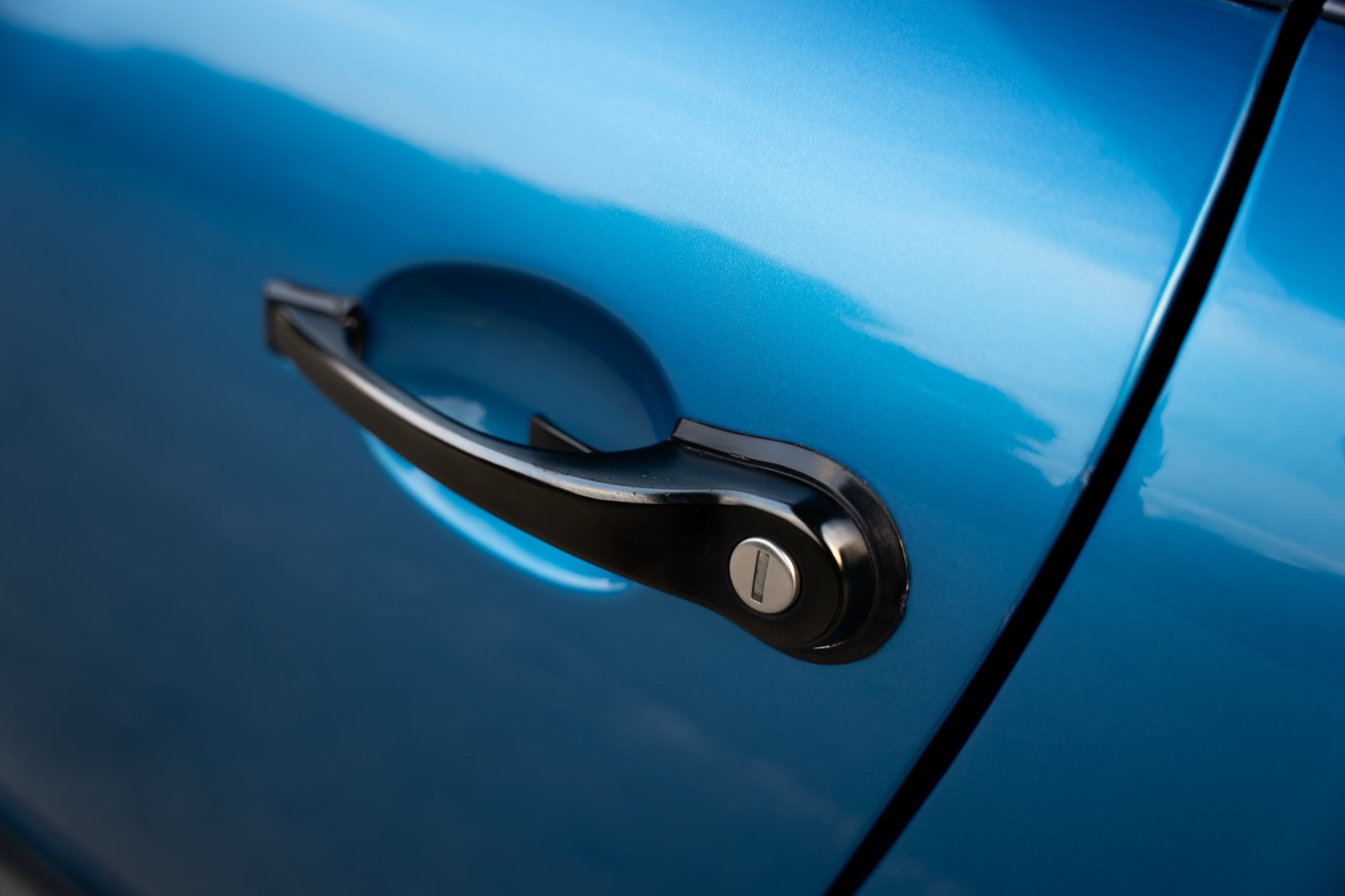
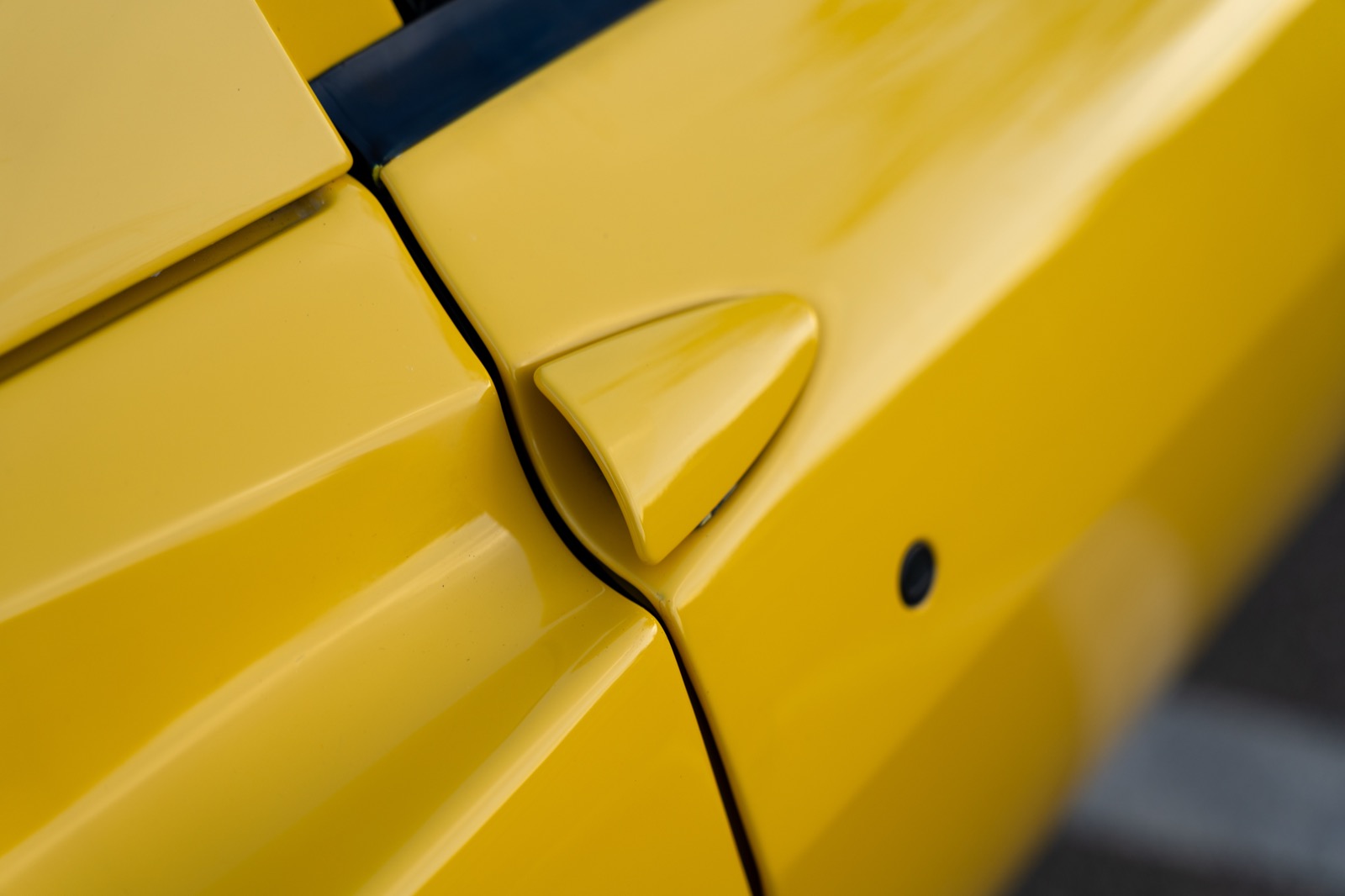
Everyone gets the same list. The choice is whether to use it as a checkbox or commit to thoughtfully rendering every shot. Any photographer can execute an auction shot list. But knowing what each shot does, how it contributes to a set, and having a signature approach that ties the whole set together, telling the car's story, is where years of experience and reps come in. For the client, that's what a signature is worth: 200 frames that look like one person made them on purpose, a cohesive whole, a consistent visual experience.
An experience that gives you the feel of what it's like to sit behind the wheel without ever driving the car.